
Selaginella stellata
Selaginella stellata
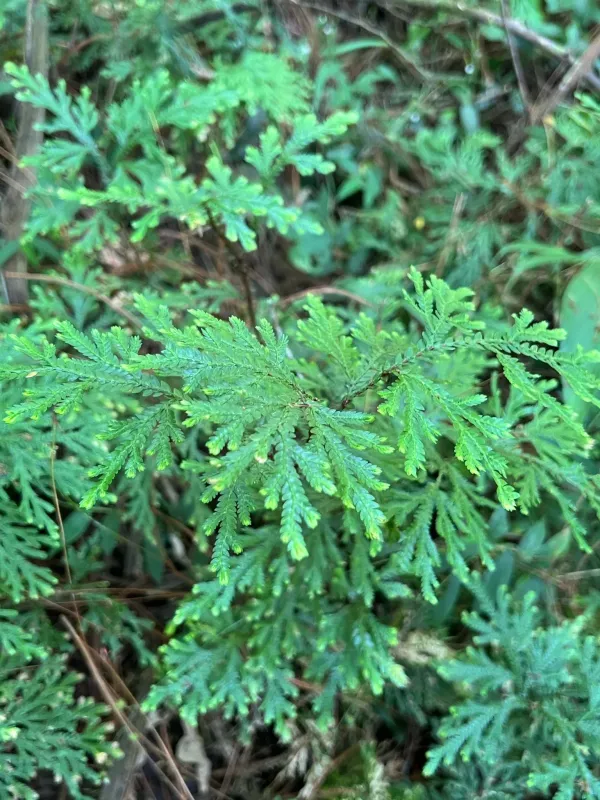
Description
Growing requirements
Selaginella stellata is a distinctive species belonging to the Selaginellaceae family. Often mistaken for a fern, this perennial plant is a vascular spore-bearing organism that serves as a staple in ornamental interior landscaping.
The plant originates from the tropical rainforests of Central America, thriving in shaded and humid environments. In cultivation, it requires a carefully maintained climate with temperatures consistently kept between 18 and 24 degrees Celsius.
Agricultural requirements for this crop focus heavily on soil structure; it thrives in loose, peat-based mixtures that remain moist but never waterlogged. The soil pH should be slightly acidic to ensure proper nutrient uptake for the sensitive root system.
Humidity is the most critical factor for Selaginella stellata. To prevent leaf browning and desiccation, growers must maintain ambient humidity levels above 70%, which is often achieved by cultivating the plant within terrariums or humidified glass cases.
The primary economic and aesthetic use of this plant is in the professional floriculture sector, specifically for terrarium design, paludariums, and indoor winter gardens. Its ability to form dense, creeping mats makes it an excellent groundcover for specialized micro-habitats.
Main diseases and pests
Pest management for this species includes regular surveillance for spider mites, which are particularly attracted to the plant when ambient moisture levels are insufficient. Early intervention with biological control agents or targeted pesticides is recommended to preserve plant health.
The most significant pathological threats to the crop involve fungal pathogens that trigger root rot and stem decay. These issues are almost exclusively linked to poor drainage or overly saturated soil, necessitating careful management of irrigation practices to ensure long-term viability.