
Selaginella stauntoniana
Selaginella stauntoniana
Description
Growing requirements
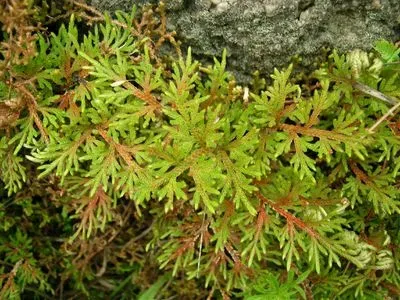
Selaginella stauntoniana is a perennial herbaceous plant belonging to the Selaginellaceae family. Native to East Asia, including parts of China and Korea, this species is noted for its ability to withstand colder climates compared to many of its tropical relatives, making it a valuable addition to woodland gardens.
The plant exhibits a creeping growth habit with densely branched stems covered in tiny, scale-like leaves. Its appearance creates a lush, moss-like carpet that remains vibrant throughout the growing season, providing an excellent aesthetic solution for shading large areas of the ground under tree canopies.
Requirements for successful cultivation include a nutrient-rich, humus-heavy soil that maintains consistent moisture. The substrate must be slightly acidic and well-draining, as the plant suffers rapidly if the root system becomes waterlogged or if the environment dries out completely for an extended duration.
Optimal environmental conditions involve deep shade or dappled sunlight. Direct exposure to intense sun will scorch the delicate foliage and damage the stems beyond recovery. Therefore, selecting a location protected from direct sunlight and wind is crucial for the plant's long-term health and growth.
Propagation is primarily achieved through stem cuttings or division of the root mass. Given the right level of humidity and soil contact, the plant roots readily from its stems, which facilitates its use as a dense ground cover for decorative purposes in specialized landscape projects.
Main diseases and pests
Fungal diseases related to high humidity and poor aeration represent the primary threat to the health of Selaginella stauntoniana. Root rot is a common issue if the soil remains stagnant or if mulch is applied too thickly directly against the main stems of the plant.
Insect pests are generally uncommon, but spider mites may become a nuisance in environments where the air humidity is consistently too low. Maintaining a moist microclimate through misting or site selection is generally sufficient to prevent significant damage from these types of arachnids.
Slugs and snails can cause cosmetic and structural damage during damp weather by consuming the soft shoots. Gardeners often manage this by utilizing physical barriers or by maintaining a clean garden environment free of excess debris where these pests prefer to hide during the day.
Chlorosis, or yellowing of the foliage, is often a sign of incorrect soil pH or mineral imbalance, specifically related to hard water usage. It is recommended to use collected rainwater to preserve the necessary acidic soil environment and ensure the plant retains its deep green coloration.
Extreme winter temperatures, while generally manageable, can cause dieback if the plant is exposed to drying winter winds without snow cover. Applying a layer of pine needles or mulch can provide the necessary insulation to protect the root system from freezing during the coldest months of the year.