
Lesser clubmoss
Selaginella selaginoides
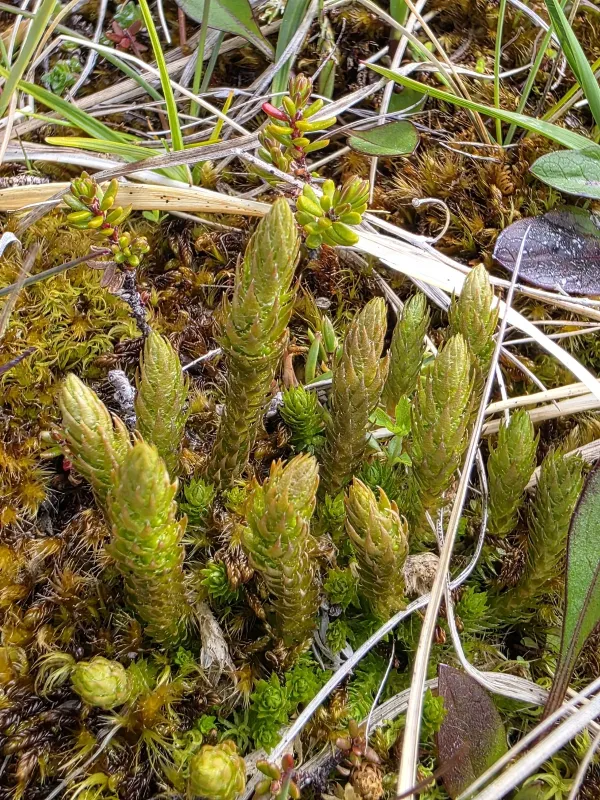
Description
Growing requirements
The lesser clubmoss (Selaginella selaginoides) is a member of the Selaginellaceae family. As a non-traditional crop, it is recognized for its unique biological role and specific habitat needs in cool, moist environments.
The plant originates from northern latitudes and high-altitude mountainous areas. It requires high relative humidity and a stable temperature regime, typically preferring cool conditions for optimal metabolic activity and spore production.
Regarding soil requirements, this species demands well-drained but consistently moist substrates. It flourishes in soils rich in organic matter, often preferring limestone or sandy bases with a neutral to slightly alkaline pH level.
Light management is crucial; the crop is shade-tolerant and sensitive to high-intensity sunlight. Direct exposure can lead to rapid desiccation of the delicate foliage, effectively halting the plant's vegetative growth.
Agronomic practices for this species focus primarily on environmental control rather than chemical interventions. Cultivation is most successful in controlled environments where humidity and soil drainage can be precisely regulated.
Main diseases and pests
The primary threats to Selaginella selaginoides involve fungal pathogens that thrive in stagnant, humid conditions. Without adequate air circulation, plants are highly susceptible to blight and root rot.
Pests such as spider mites are significant threats, especially in indoor or greenhouse settings. They feed on plant sap and can quickly cause severe damage due to the plant's inability to regenerate rapidly.
Soil-borne nematodes can also impact the health of the root system. Proper sterilization of the growing medium is essential before planting to ensure that the initial development phase remains unaffected by pathogens.
Environmental pollution and air quality are major limiting factors. The plant serves as an indicator species, being highly sensitive to chemical imbalances and pollutants in both air and water, which restrict its cultivation areas.
Competition from fast-growing weeds is detrimental to the survival of this slow-growing species. Regular manual weeding or the use of sterile substrates is necessary to prevent the crop from being choked out by more aggressive plant varieties.