
Selaginella rossii
Selaginella rossii
Description
Growing requirements
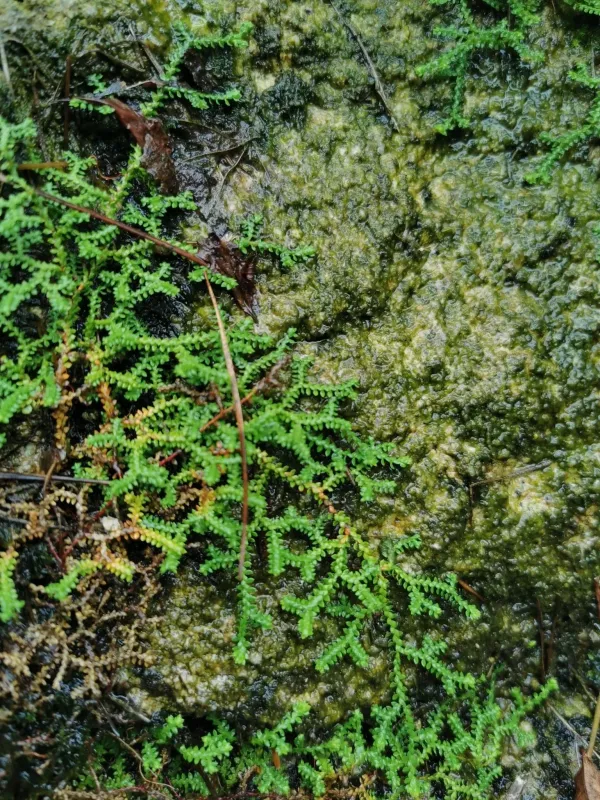
Selaginella rossii is a distinguished member of the Selaginellaceae family, known for its creeping habit and delicate, fern-like foliage. This spore-bearing vascular plant thrives in high-humidity habitats, reflecting its evolutionary origin in shaded forest understories.
Botanically, the species is characterized by its prostrate stems covered with tiny, scale-like leaves. Its reproductive mechanism relies on the production of spores, which necessitates a moist environment for the successful germination and development of the gametophyte generation.
The cultivation requirements are centered around microclimate management. Growers must maintain high ambient humidity, ideally above 75%, and ensure that the growing medium remains consistently moist but not waterlogged. Drainage is paramount to prevent root hypoxia.
Light management involves providing filtered or indirect light. Exposure to direct sun will cause dehydration and chlorosis, rapidly degrading the aesthetic quality of the foliage. Balanced, low-intensity light levels allow the plant to maintain its characteristic vibrant green coloration.
Economically, Selaginella rossii is primarily utilized in the ornamental horticultural sector. Its dense growth pattern makes it an excellent choice for ground coverage in terrariums, indoor landscape designs, and managed botanical exhibits requiring specialized micro-environments.
Main diseases and pests
The primary threats to Selaginella rossii production include opportunistic fungal pathogens, such as damping-off agents. Excessively stagnant air and poor drainage create the perfect conditions for rot, which can quickly spread throughout a containerized crop.
Pest pressures primarily involve spider mites, which thrive in environments where humidity might drop temporarily. Effective management includes regular monitoring of the lower leaf surfaces and the application of integrated pest management strategies to keep populations below economic injury levels.