
Selaginella remotifolia
Selaginella remotifolia
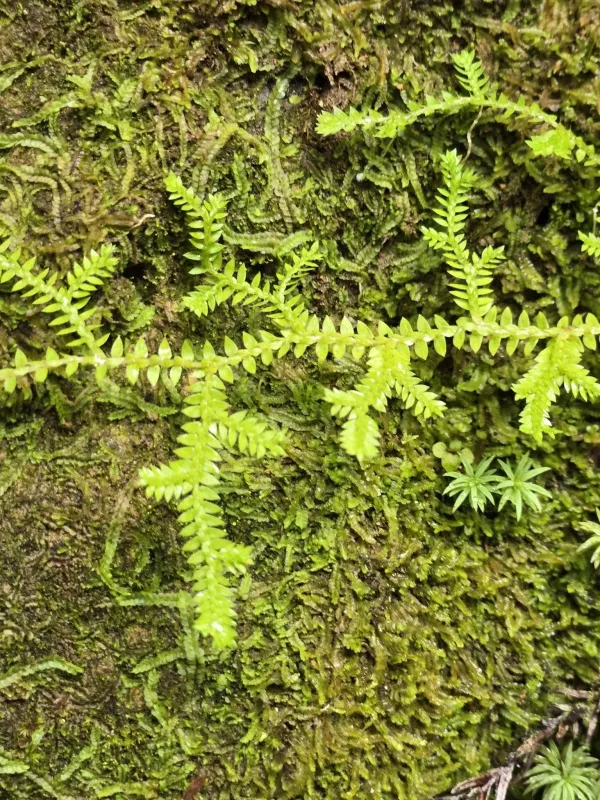
Description
Growing requirements
Selaginella remotifolia is a member of the Selaginellaceae family, a group of vascular cryptogams characterized by their primitive morphology and specific moisture requirements. Native to East Asian forests, this plant thrives in dense understory conditions.
For optimal growth, the species requires an environment with filtered light. Direct sunlight should be strictly avoided as it causes rapid dehydration and scorch marks on the delicate, scale-like leaves that define the plant's architecture.
The growing medium must be highly porous and moisture-retentive. A blend of peat, perlite, and high-quality leaf mold is recommended to provide both the acidity preferred by the species and efficient drainage to prevent root suffocation.
Temperature management is critical for the long-term success of Selaginella remotifolia. The plant performs best in a stable, temperate range of 18–24 degrees Celsius. It does not tolerate frost or the high-heat spikes common in arid climates.
Humidity is the most important factor in the plant's life cycle. Maintaining a humidity level of at least 70% is essential. If the ambient air is too dry, the plant will stop growing and may develop necrotic spots on its creeping stems.
Main diseases and pests
The most common physiological threat is drought stress. Because this plant has a shallow root system, even short periods of substrate dehydration can lead to significant biomass loss and poor recovery rates.
Spider mites are the primary pest concern for this species. These tiny arachnids thrive in low-humidity environments, and their presence can be identified by fine webbing and a stippled appearance on the stems and leaves.
Root rot, caused by excessive moisture saturation combined with low temperatures, remains a major pathological challenge. Once the roots are compromised, the plant often fails to regain its original vigor and may collapse completely.
Poor ventilation can lead to fungal infections such as Botrytis, especially in closed terrarium environments. Ensuring a slow but constant movement of air helps prevent the accumulation of stagnant, humid pockets that favor pathogen growth.
Integrated pest management should prioritize physical removal and humidity control. Chemical interventions must be handled with care, as many standard pesticides are too harsh and can cause phytotoxicity in this moisture-sensitive fern-like plant.