
Selaginella nipponica
Selaginella nipponica
Description
Growing requirements
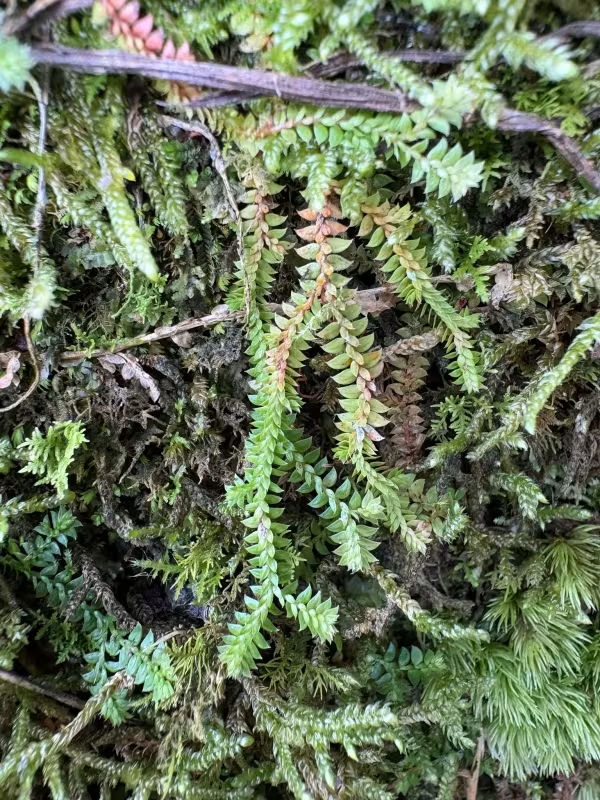
Selaginella nipponica is a fascinating member of the Selaginellaceae family, native to the temperate forests of East Asia. As a shade-loving, spore-bearing plant, it thrives in environments that mimic its natural habitat, such as the damp understories of forested areas. Its delicate, fern-like appearance makes it a popular choice for specialized indoor gardening.
To cultivate this species successfully, high humidity is essential. The plant does not tolerate dry air, which is why it is best suited for terrariums, paludariums, or enclosed greenhouse environments. The ambient humidity should ideally be maintained above 60-70% to prevent the foliage from drying out and turning brown at the tips.
The potting medium must be well-draining yet moisture-retentive. A mix of high-quality peat moss, perlite, and a touch of leaf mold creates an ideal environment. The soil should be kept consistently moist but never waterlogged. Excellent drainage at the bottom of the container is mandatory to prevent the risk of root rot, which is the most common cause of plant loss.
Temperature requirements for Selaginella nipponica are moderate, typically ranging between 18°C and 22°C. While the plant is resilient in its native climate, it is sensitive to drastic temperature swings and cold drafts in a domestic setting. Placing the plant away from radiators and air conditioning vents is crucial for long-term health and growth.
In terms of usage, this plant is primarily an ornamental species used by indoor gardeners and terrarium enthusiasts to add texture and a lush, green aesthetic to shaded displays. It works exceptionally well as a ground cover plant in larger decorative setups, providing a soft contrast to larger, broad-leaved varieties of tropical flora.
Main diseases and pests
Pests such as spider mites and scale insects are the primary threats to this plant when grown in suboptimal, dry conditions. Once established, these pests can quickly deplete the plant's resources, causing chlorosis and stunted growth. Integrated pest management, focusing on maintaining humidity, is the most effective preventative strategy.
Fungal infections, particularly root rot, can arise if the substrate remains saturated for too long without adequate aeration. These pathogens thrive in stagnant, wet soil, making prompt identification and soil replacement vital. Proper air circulation around the plants helps in mitigating these risks significantly.