
Selaginella moellendorffii
Selaginella moellendorffii
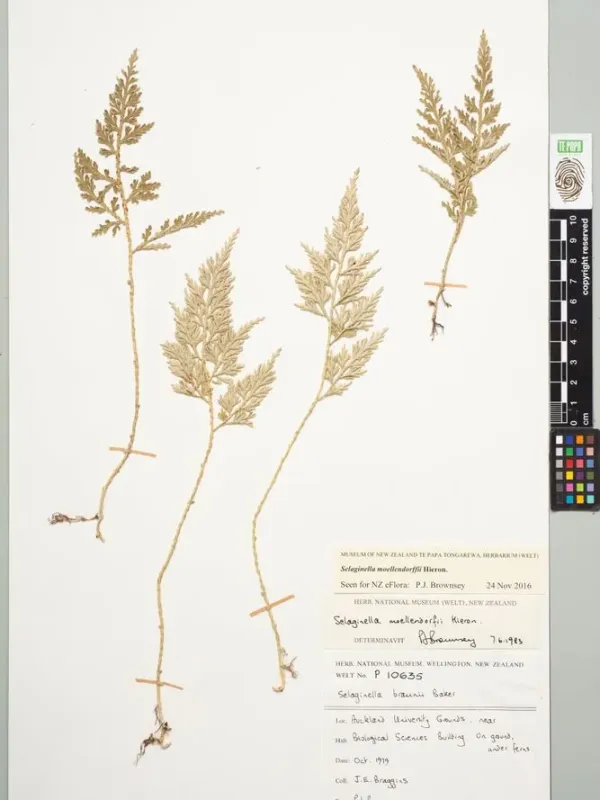
Description
Growing requirements
High humidity is the most critical requirement for successfully growing Selaginella moellendorffii. Maintaining levels above 70% is essential, as the plant quickly dehydrates and turns brown when exposed to dry air, which is a common issue in indoor environments.
The potting medium must be loose, airy, and rich in organic matter. A well-draining mixture consisting of peat, leaf mold, and perlite is ideal, ensuring that the roots have access to oxygen while retaining the necessary moisture for the plant’s health.
Light conditions should be strictly controlled, as direct sunlight will scorch the delicate foliage almost immediately. Indirect, diffused light or partial shade is perfect for this plant; placing it away from south-facing windows or using light curtains is highly recommended.
Temperature stability is key to avoiding plant stress. Ideally, the environment should remain between +18°C and +24°C. Sudden fluctuations in temperature or cold drafts can cause significant damage to the stems and lead to premature leaf drop or stunted growth patterns.
Watering should be done using soft, room-temperature water. The soil must remain consistently moist but not waterlogged. Overwatering can lead to anaerobic conditions in the substrate, which inevitably causes root rot, the most common cause of failure in cultivating this species.
Main diseases and pests
Spider mites are the most persistent pest for Selaginella moellendorffii, thriving particularly when the air is too dry. Regular inspection and maintaining proper moisture levels are the most effective preventive measures against these tiny but destructive insects.
Mealybugs can also infest the stems and leaves, causing a decline in the plant's vitality. If detected, manual removal or the application of safe, plant-based soaps can manage the infestation, provided the plant is treated early before the colony expands.
Fungal pathogens such as gray mold or various root rots pose a serious threat, especially in stagnant air conditions. Proper ventilation is vital; it prevents the buildup of excess moisture on the foliage, which is often the catalyst for fungal spore germination.
In cases of severe infestation, using appropriate systemic fungicides is necessary. However, it is always better to prioritize cultural control, such as removing infected parts and ensuring the environment is perfectly suited to the plant's needs, reducing its vulnerability.
Maintaining a clean workspace and sterilizing all horticultural tools before use are essential practices. By following strict hygiene protocols and monitoring the health of the plants regularly, growers can maintain a thriving collection of this unique species.