
Selaginella lepidophylla
Selaginella lepidophylla
Description
Growing requirements
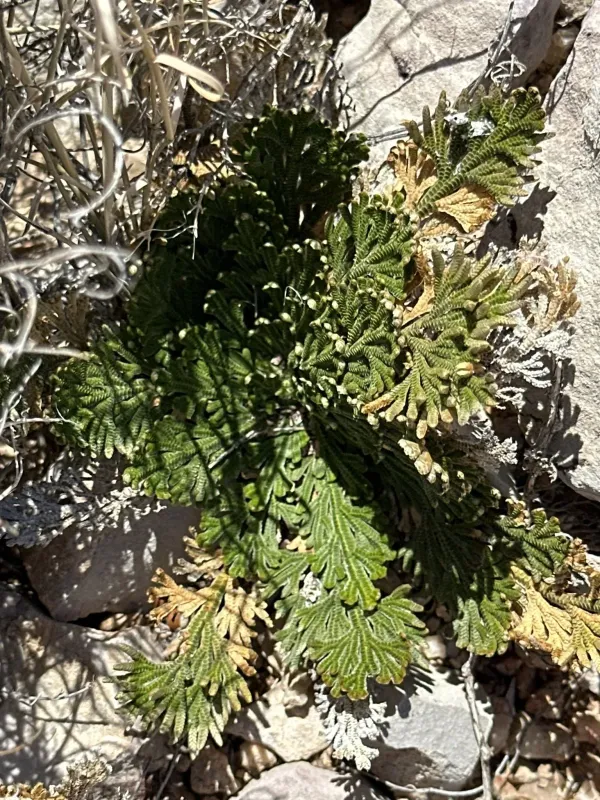
Selaginella lepidophylla, belonging to the Selaginellaceae family, is a distinct plant species native to the Chihuahuan Desert. It is renowned for its remarkable desiccation tolerance, a physiological trait that allows it to survive in arid environments.
Botanically, it functions as a resurrection plant. During drought, the plant curls its fronds into a ball to reduce surface area and moisture loss, effectively entering a state of dormancy until water becomes available again.
The cultivation of this crop requires a substrate with excellent aeration and drainage. A mixture composed mainly of coarse sand and inorganic materials is preferred to avoid the root rot that commonly occurs in moisture-retentive soils.
In terms of climatic conditions, it thrives in environments that mimic its natural habitat: bright, indirect light and moderate temperatures. While it can withstand extreme drought, consistent growth is only achieved with periodic irrigation.
Agronomic management focuses on preventing waterlogging, which is the primary cause of mortality in cultivated populations. Maintaining appropriate humidity levels during the active growth phase is also essential for maintaining plant vitality.
Main diseases and pests
Spider mites are the most prevalent pests encountered during the cultivation of Selaginella lepidophylla, particularly when atmospheric humidity drops significantly.
Root pathogens, such as Pythium and Phytophthora, frequently attack the root system if the soil remains saturated for extended periods of time.
Mealybugs can become established within the tightly coiled fronds of the dormant plant, making them difficult to detect and eradicate without specialized treatment.
Lack of proper air circulation within the growing environment increases the risk of mold growth, especially if the plant is kept in a moist environment for too long.
Management of these threats involves proactive integrated pest management strategies, focusing on substrate hygiene and strict environmental control to prevent outbreaks.