
Selaginella kraussiana
Selaginella kraussiana
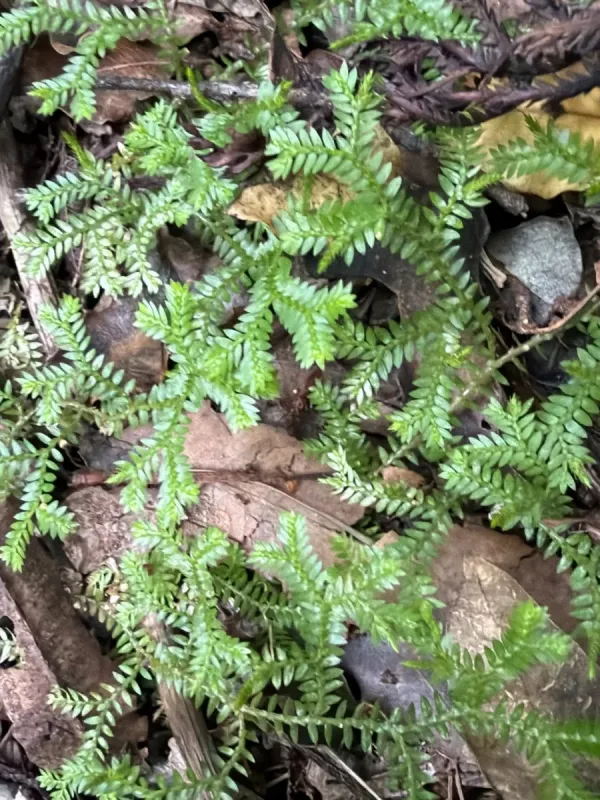
Description
Growing requirements
Selaginella kraussiana is a perennial herbaceous plant belonging to the Selaginellaceae family. Known for its dense, moss-like carpet structure, it is highly valued as an ornamental ground cover in specialized horticulture and indoor landscaping.
The species originates from the damp forest regions of Southern and Eastern Africa, including the Azores. Its native habitat provides a consistent environment with high humidity, shade, and organic-rich soil, which must be replicated in cultivation.
Successful cultivation requires a loose, moisture-retentive, and well-draining substrate. A mixture of peat, leaf mold, and sand provides the optimal balance for root development while preventing waterlogging, which is detrimental to this species.
This plant thrives in partial shade and is highly sensitive to direct sunlight, which can quickly scorch the delicate foliage. The ideal growing temperature ranges from 18°C to 22°C, and it is crucial to avoid temperatures below 15°C during the winter months.
Economically, Selaginella kraussiana is utilized primarily in ornamental floriculture, specifically for designing terrariums and paludariums. It is prized for its rapid spreading habit, which allows it to cover large areas of soil within controlled greenhouse environments.
Main diseases and pests
The primary pests affecting this culture are spider mites, which thrive in environments where ambient humidity is insufficient. Infestations lead to stunted growth and the eventual browning of the stems, significantly reducing the decorative value of the plant.
Fungal diseases, such as root rot, are common threats, typically resulting from poor drainage or excessive watering during dormant periods. These pathogens quickly compromise the vascular system of the plant, leading to collapse.
Effective pest management relies on maintaining high humidity levels, which naturally deters mites. In cases of severe infestation, the application of horticultural soaps or specific acaricides is necessary to protect the plant.
Prevention of fungal issues involves meticulous watering practices, ensuring that the substrate stays moist but never saturated. Proper air circulation is also vital to prevent the development of mold on the soil surface.
Regular monitoring of the foliage density allows for early detection of potential outbreaks. Maintaining a clean growing environment prevents the build-up of spores and larvae that could endanger the health of the Selaginella crop.