
Selaginella
Selaginella hybrids
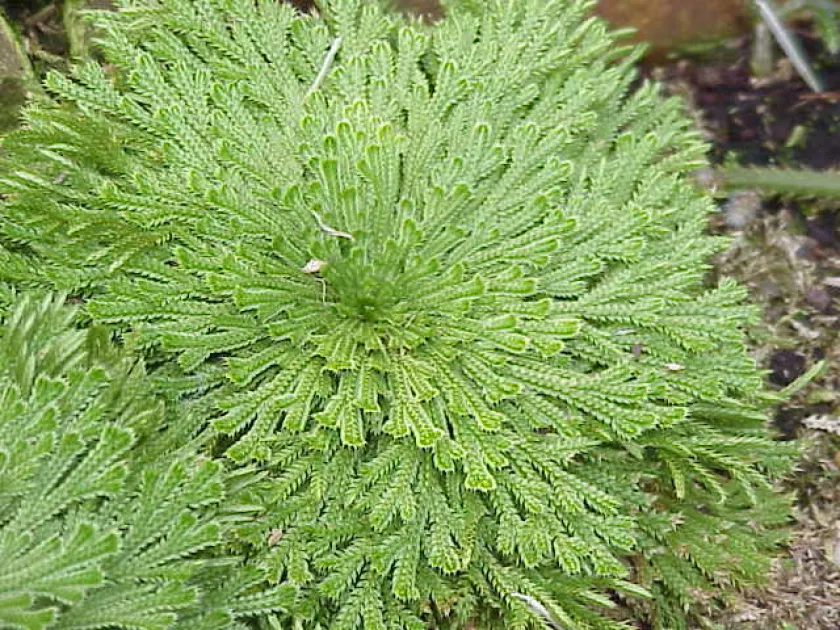
Description
Growing requirements
Selaginella belongs to the family Selaginellaceae and represents a group of ancient vascular spore-bearing plants. Modern hybrids are widely valued in professional ornamental horticulture for their delicate, moss-like foliage and unique architectural form.
The culture has strict requirements for environmental humidity, which should be maintained between 70% and 80%. As a plant native to tropical forest understories, it performs best in diffused light, avoiding any exposure to direct, harsh solar rays.
Ideal growth temperatures range from +18 to +22 degrees Celsius. It is critical to avoid temperature fluctuations, which can cause severe physiological stress and lead to the degradation of the plant's delicate shoot structure.
Soil requirements involve a well-draining, loose substrate with a slightly acidic pH level. Incorporating organic matter such as peat moss or leaf mold ensures the necessary moisture retention while preventing compaction.
Regular irrigation is vital for this crop, as it does not tolerate drought conditions. The medium should be kept consistently moist but never waterlogged, as stagnant water often leads to root suffocation and subsequent decay.
Main diseases and pests
The primary threat to Selaginella health is the failure to maintain proper moisture levels. Low humidity often triggers the browning of leaf tips and can cause the plant to wilt significantly within a short period.
Pests such as spider mites are frequent invaders in drier indoor environments. These insects thrive where moisture is lacking and must be managed through increased humidity or appropriate acaricide treatments.
Pathogenic fungi and root rot are common risks associated with excessive soil moisture and poor air circulation. These threats are particularly prevalent in dense, poorly ventilated planting sites.
Mineral salt buildup from hard water irrigation can cause leaf discoloration. Using distilled or rainwater is highly recommended for maintaining the vigor and aesthetic appeal of the hybrids.
Integrated pest management should focus on preventative sanitation. Removing debris and ensuring adequate ventilation significantly reduces the pressure from typical garden pathogens and insect infestations.