
Selaginella hordeiformis
Selaginella hordeiformis
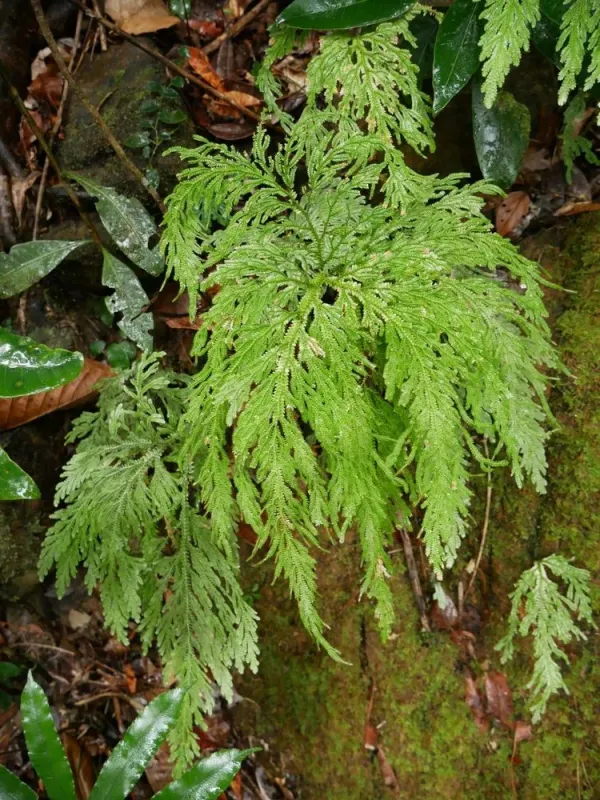
Description
Growing requirements
Selaginella hordeiformis is a member of the Selaginellaceae family, known for its unique, barley-like appearance. As a vascular sporophyte, it thrives in environments that mimic its native tropical forest floor habitat, requiring constant humidity.
To successfully cultivate this species, growers must maintain ambient temperatures between 18°C and 24°C. The plant exhibits high sensitivity to environmental stress, particularly fluctuations in humidity and exposure to direct sunlight, which can quickly desiccate the foliage.
The substrate should be a well-draining, slightly acidic medium consisting of peat moss, pine bark, and perlite. This mixture ensures that the root system remains moist without becoming waterlogged, preventing the onset of anaerobic conditions.
Agricultural management in specialized facilities focuses on consistent moisture levels. The plant should be watered using distilled or soft water to avoid mineral accumulation in the soil, which can be detrimental to the delicate root hairs.
While primarily used in indoor horticulture and private collections, its dense, textural growth pattern makes it an excellent choice for vertical gardens and terrariums. Proper spacing and airflow are crucial to prevent the plant from becoming crowded or prone to rot.
Main diseases and pests
The primary threats include root rot caused by improper drainage and fungal pathogens that thrive in stagnant, humid air. Regular inspection of the soil moisture is essential for long-term health.
Pests such as spider mites and mealybugs can infest the foliage, especially in conditions that are too dry. Maintaining optimal humidity is the best natural defense against these common ornamental plant pests.