
Ruby-red selaginella
Selaginella erythropus
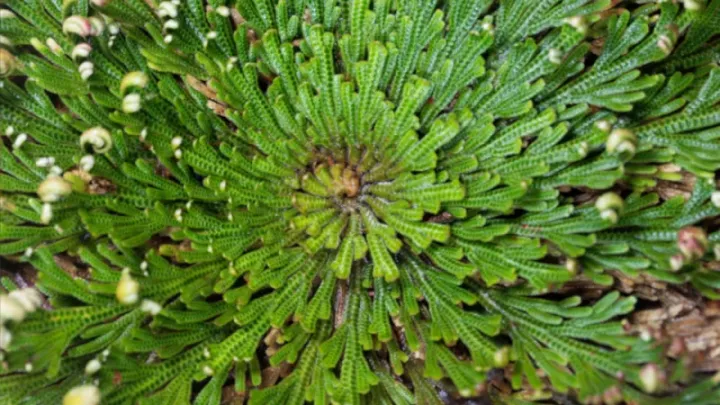
Description
Growing requirements
Ruby-red selaginella, or Selaginella erythropus, is a captivating perennial plant belonging to the Selaginellaceae family. Native to the tropical regions of Central and South America, it naturally thrives in the understory of dense forests where humidity is consistently high.
The botanical structure of this plant is defined by its trailing or ascending reddish stems, which contrast sharply with its fine, scale-like foliage. These features make it highly desirable for terrarium setups and specialized indoor plant displays where specific microclimates can be maintained.
To cultivate this species successfully, growers must ensure high atmospheric humidity, ideally above 75 percent. It is essential to avoid dry air, as the delicate leaves are prone to desiccation, which rapidly leads to the loss of the plant's characteristic vibrant color.
The soil requirements involve a well-draining, acidic substrate composed of peat moss, perlite, and decomposed organic matter. Proper drainage is critical; the roots should remain moist but never waterlogged to ensure the health of the rhizomes and prevent suffocation.
Regarding light, this plant prefers indirect, filtered sunlight or low-to-medium intensity artificial light. Excessive direct sun exposure will fade the reddish pigmentation and cause leaf burn, significantly reducing the plant's aesthetic value and overall vigor.
Main diseases and pests
Common pests affecting Selaginella erythropus include spider mites and mealybugs. These typically occur when the environmental conditions become too dry or when the plant is stressed by improper airflow.
Fungal pathogens such as Pythium or Fusarium are significant threats if the soil remains saturated for extended periods, leading to root rot. Maintaining a clean environment and balanced moisture levels is the best defense against these diseases.