
Oenothera suffrutescens
Oenothera suffrutescens (Ser.) W. L. Wagner & Hoch
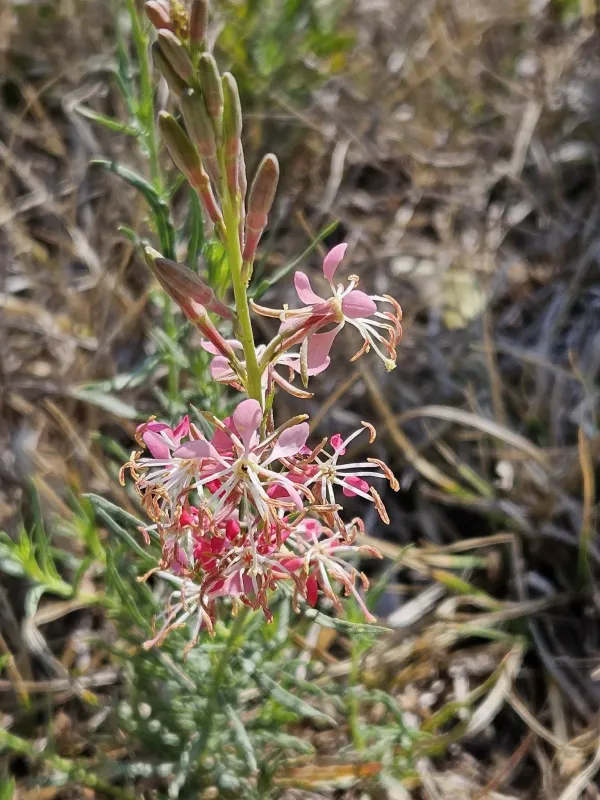
Description
Sowing dates
Sowing Oenothera suffrutescens seeds is best accomplished during the early spring once the threat of heavy frost has passed and the soil begins to warm up.
Because the seeds are extremely small, they should be sown on the surface of the soil and lightly pressed in rather than buried deep to ensure proper germination.
For those starting indoors, sowing in trays during late winter provides a head start, though seedlings must be carefully hardened off before moving outdoors.
Maintaining a consistent moisture level in the germination tray is vital, as the seeds require steady contact with the damp medium to break dormancy.
Once seedlings have developed their true leaves, they can be transplanted to their final location, ensuring sufficient spacing to allow for future crown development.
Growing requirements
Oenothera suffrutescens is a member of the Onagraceae family, known for its shrub-like perennial growth habit and vibrant, delicate flowers.
This species thrives in full sun exposure, which is necessary to maintain the plant's structural integrity and promote continuous, prolific flowering.
Soil conditions should be sandy or loamy with excellent drainage, as the plant is highly susceptible to root damage in heavy, waterlogged soils.
It displays remarkable drought tolerance once established, making it a suitable choice for landscapes with limited irrigation or challenging summer heat.
Regular maintenance involves light pruning of spent flower stalks to encourage secondary growth and keep the plant looking tidy throughout the season.
Main diseases and pests
The primary concern for Oenothera is root rot, which is almost exclusively caused by poorly draining soil or irrigation that keeps the roots too wet.
Powdery mildew can become a significant issue during periods of high humidity, particularly if plants are crowded and lack proper air circulation.
Aphids are the most common insect pests, often congregating on the tender new growth and developing buds, which can stunt the overall health of the plant.
Root-knot nematodes can occasionally pose a threat in specific soil environments, leading to reduced vigor and stunted growth of the entire plant cluster.
- Ensure proper site selection with sandy, draining soil.
- Promote airflow by spacing plants appropriately.
- Monitor for insect pests during the early spring growth phase.