
Saussurea yanagisawae
Saussurea yanagisawae
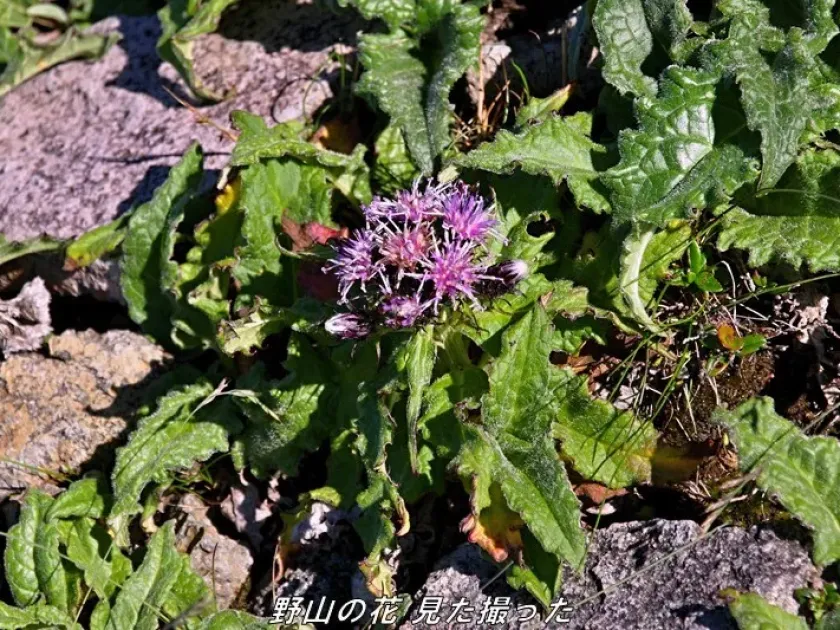
Description
Growing requirements
Saussurea yanagisawae is a perennial herbaceous plant belonging to the Asteraceae family. Originating from the high-altitude mountainous regions of East Asia, it is a specialized crop adapted to cold climates and rocky, nutrient-poor substrates.
Botanically, this species is defined by its rosette-forming leaves and specialized floral structures that have evolved for survival in alpine environments. It is highly valued for its unique phytochemical properties, which often make it a subject of interest in ethnobotanical studies.
Cultivation requires conditions that closely mimic its natural habitat. The soil must be exceptionally well-draining, typically consisting of a mix of gravel, sand, and organic matter to prevent the accumulation of stagnant water around the root collar.
Climatic requirements for Saussurea yanagisawae include a preference for cool temperatures and high atmospheric humidity. In agricultural settings, it is best grown in regions with moderate summer temperatures, avoiding extreme heat that can stress the plant's metabolism.
Management techniques involve careful monitoring of water levels. While the species requires consistent moisture to develop properly, it is extremely sensitive to waterlogging. Consequently, growers must implement precise irrigation regimes.
Main diseases and pests
The primary threats to this culture are fungal pathogens, specifically those causing root rot and damping-off, which frequently occur in conditions of poor air circulation and excessive substrate moisture.
Pests such as aphids and spider mites can infest the foliage, particularly during warmer, drier intervals. Early detection through regular crop scouting is essential for maintaining plant health and preventing population outbreaks.
Soil-borne nematodes represent a significant risk, especially in environments where proper sanitation and crop rotation protocols are not strictly followed. Using sterilized potting media is a primary preventive measure.
Nutritional imbalances often manifest as leaf chlorosis. Given its alpine nature, the plant is sensitive to synthetic fertilizer concentrations, necessitating the use of diluted, balanced nutrient solutions to avoid root toxicity.
Mechanical damage from pests or improper handling can lead to localized necrosis, which subsequently acts as an entry point for secondary bacterial infections. Handling should be kept to a minimum during the peak growth phases.