
Saussurea discolor
Saussurea discolor
Description
Growing requirements
Saussurea discolor is a perennial herbaceous plant belonging to the Asteraceae family. It is natively found in mountainous and subalpine regions, demonstrating exceptional hardiness in extreme climatic conditions including low temperatures and rocky substrates.
The cultivation of this species requires well-drained, porous soils. In agricultural settings, it is essential to ensure that the site is not prone to waterlogging, as excessive moisture is the primary cause of root degradation and death in this plant species.
The plant thrives in full sun exposure. Adequate light is crucial not only for the vegetative development of the stems and leaves but also for the accumulation of active compounds within the plant tissues, which are of high interest to the pharmaceutical sector.
Agronomic management for this crop involves careful soil preparation, prioritizing sites with neutral pH levels. Due to its alpine origin, Saussurea discolor does not require high levels of nitrogen fertilization; however, supplemental mineral nourishment can be provided during the early growth stages.
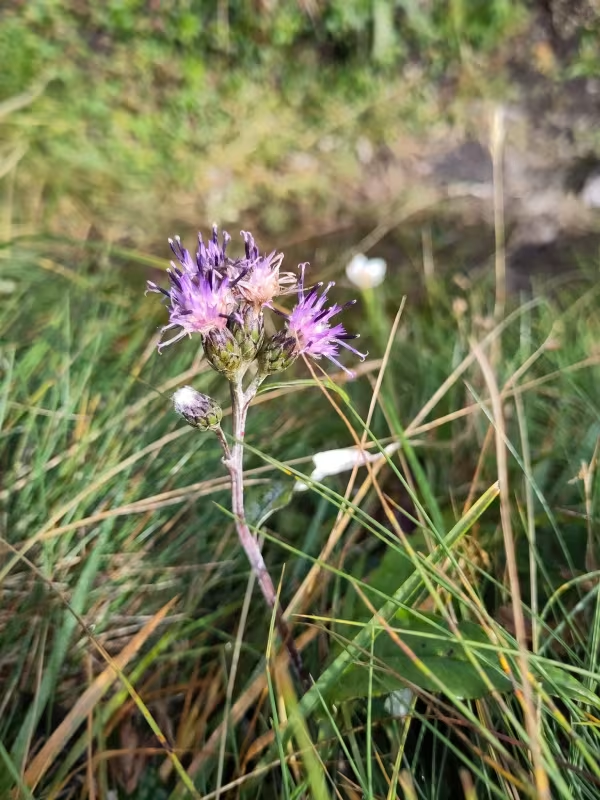
Morphologically, the plant is identified by its distinct bicolored leaves and compact clusters of purple flowers. Its ability to sequester various metabolites makes it a unique candidate for systematic cultivation as a medicinal raw material source.
Main diseases and pests
The most significant threats to the crop include various root rot pathogens that proliferate in compacted or overly saturated soils, making soil aeration a priority.
Pests such as aphids and spider mites represent a recurring problem, especially during periods of low rainfall and high temperatures when the plants are most stressed.
Effective pest management involves integrated control strategies, including the use of sticky traps and biological insecticides to maintain the quality of the raw material.
Crop protection also necessitates the rigorous removal of weeds, which often act as alternative hosts for pests that might migrate to the Saussurea plants.
Maintaining proper spacing between individual plants is vital for air circulation, which naturally helps prevent the development of foliar diseases during humid seasons.