
Saussurea candicans
Saussurea candicans
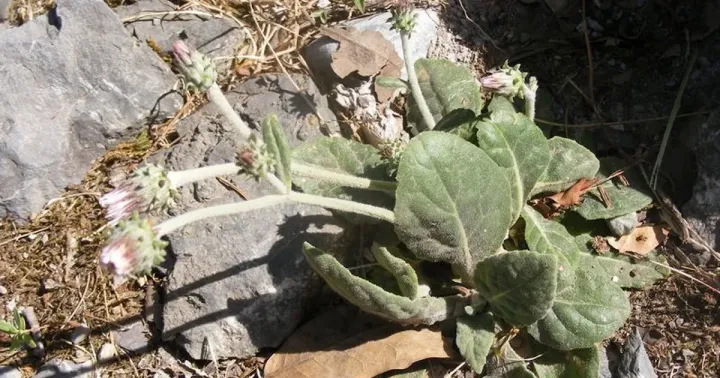
Description
Sowing dates
Saussurea candicans, a member of the Asteraceae family, is typically established from seed during the spring season once the soil temperature consistently reaches 10-12 degrees Celsius.
To achieve high germination rates, seeds often require a period of cold stratification lasting 4 to 6 weeks, which effectively breaks seed dormancy and improves uniformity.
The recommended planting method is to use wide rows spaced 50 to 60 centimeters apart, allowing for efficient mechanical weeding and adequate airflow between individual plants.
Seeds should be sown at a shallow depth of approximately 1-2 centimeters, as deeper planting can significantly hinder the emergence of the tiny, delicate seedlings.
Constant moisture must be maintained in the seedbed during the germination phase to ensure that the initial growth is robust and uninterrupted.
Growing requirements
This species thrives in temperate climates with moderate rainfall and requires well-drained, fertile soil that is rich in organic matter to support healthy leaf development.
Exposure to full sunlight is critical for the plants, as Saussurea candicans is highly photosensitive and requires significant light energy to produce its secondary metabolites.
The optimal soil pH range for this crop is between 6.0 and 7.0, which allows for maximum nutrient uptake from the soil and supports the overall vigor of the perennial plants.
While the plants are relatively hardy and can tolerate some temperature fluctuations, they perform best in moderate conditions ranging from 18 to 25 degrees Celsius.
Effective water management is essential; the soil should be kept moist but never saturated, as persistent waterlogging is highly detrimental to the root health of this species.
Main diseases and pests
The primary agricultural threats to Saussurea candicans include fungal infections, particularly root rot, which often develop in poorly aerated or compacted soil conditions.
Insects such as aphids and leaf-eating beetles can cause significant damage to the foliage, thereby reducing the plant's photosynthetic capacity and final biomass yield.
Powdery mildew represents a common pathological challenge in humid weather, necessitating the use of preventative fungicides or biological control agents to protect the crop.
Integrated pest management (IPM) strategies, such as crop rotation and the introduction of beneficial insects, are highly recommended to keep pest populations below the economic injury level.
Regular field scouting is necessary to identify early signs of stress or infestation, allowing for prompt intervention before widespread damage occurs in the planting area.
Harvesting
The harvest of Saussurea candicans should be timed to coincide with the peak flowering period, which is when the desired bioactive compounds are at their highest concentration.
Plants are typically harvested by mowing the above-ground biomass at a height of 10-15 centimeters, which leaves the root system intact and healthy for the next season.
Rapid processing post-harvest is crucial to preserve the chemical profile of the plant; the biomass should be transported to a drying facility as quickly as possible.
Drying is performed in climate-controlled environments at temperatures not exceeding 45 degrees Celsius to ensure that the plant retains its color and essential qualities.
Finally, the dried product is sorted, cleaned, and stored in moisture-proof containers in a cool, dark environment to maintain its potency until it is ready for market.