
Alpine saussurea
Saussurea alpina
Description
Growing requirements
Alpine saussurea (Saussurea alpina) is a perennial herbaceous plant belonging to the Asteraceae family. It is naturally distributed across alpine and subalpine zones, typically found in high-altitude meadows and rocky terrain.
Successful cultivation of this species requires strict adherence to environmental conditions resembling high-mountain habitats. The plant thrives in cool, humid climates and struggles in high-temperature environments, making it suitable for specific geographical zones.
The soil requirements are specific: the medium must be well-drained, porous, and relatively rich in organic matter. A neutral to slightly acidic pH is ideal for promoting healthy root development and stable growth of the rosettes.
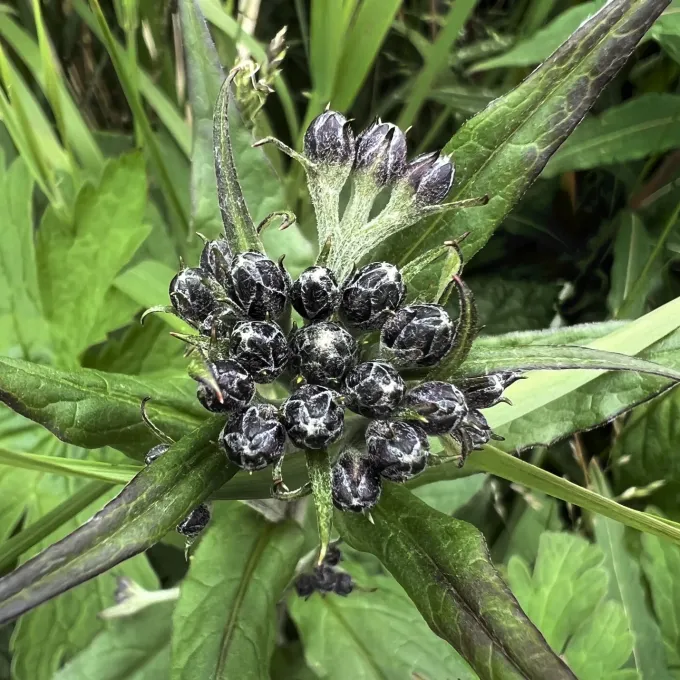
Botanically, Saussurea alpina features a rigid stem and a basal rosette of lanceolate leaves. Its inflorescences are dense, composite flower heads that cluster together, demonstrating unique adaptation to short growing seasons in mountainous regions.
Economically, this plant is primarily valued in ornamental horticulture and alpine gardening. It serves as a specialty crop for botanical collections and a genetic resource for breeding programs aiming to develop hardy, mountain-adapted varieties.
Main diseases and pests
Fungal pathogens represent the most significant threat to Alpine saussurea, particularly root rots caused by waterlogged soil. Proper drainage is essential to mitigate the risk of pathogen accumulation and root decay.
Powdery mildew is a common concern during humid, stagnant conditions. Ensuring good ventilation and sufficient spacing between plants can significantly reduce the incidence of leaf fungal infections throughout the growing season.
Aphids and spider mites are typical insect pests that infest the soft tissue of the leaves. Frequent monitoring is necessary, as these insects can drain the plant's resources and reduce its overall vitality during its peak development stage.
Slugs and snails pose a direct threat to young plants, often causing irreparable damage to leaves. Implementing physical barriers such as crushed rock or gravel around the base of the plant is a highly recommended protective measure.
Soil-borne nematodes can inhibit growth by damaging the root system, leading to stunted development. Maintaining high hygiene standards in the nursery and using sterilized soil mixes are crucial steps to prevent nematode infestations.