
Saussurea amara
Saussurea amara
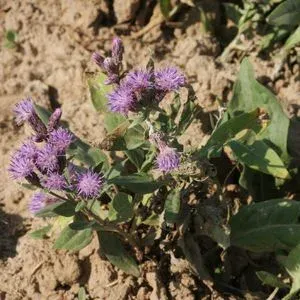
Description
Growing requirements
Saussurea amara is a perennial herbaceous plant belonging to the large Asteraceae family. This species is native to diverse ecological zones, primarily characterized by saline meadows, steppes, and open grasslands across Eurasia.
The geographic distribution of the culture spans from the Siberian regions to parts of Central Asia. Due to its evolutionary history, the plant is exceptionally well-adapted to environments with limited water availability and extreme temperature fluctuations.
Botanically, the species is recognized by its erect, leafy stems and distinctive terminal flower heads. The foliage often features serrated margins, which is a key trait for identification in the field, helping to differentiate it from other species within the genus.
The plant thrives in well-drained, nutrient-rich, yet slightly saline soils. It has a high ecological plasticity, meaning it can tolerate both the heat of the summer and the harsh frosts of the steppe winter, making it a robust candidate for specialized environmental projects.
From an industrial and agricultural perspective, the plant is studied for its chemical profile, which includes essential oils and other active compounds. It is primarily managed for its potential use in phytotherapy and soil stabilization in arid regions.
Main diseases and pests
Typical threats to Saussurea amara include fungal pathogens such as rust and mildews, which tend to proliferate during humid growing seasons. These infections can limit the plant's photosynthetic capacity and stunt overall growth.
Insect pests, such as aphids and leaf-eating caterpillars, represent significant pressure during the early spring and budding stages. These pests can significantly reduce the yield of healthy seeds if left unmanaged during the peak development phase.
Successful cultivation management requires maintaining optimal spacing between plants to ensure adequate air circulation. This practice is fundamental in reducing the micro-environment humidity that encourages the growth of fungal diseases.
Biological monitoring is recommended for commercial plots, especially focusing on periods of rapid vegetative growth. Early detection of pest clusters allows for targeted interventions, avoiding the need for large-scale chemical applications.
While the plant is naturally resilient, anthropogenic pressure and habitat degradation remain long-term threats to wild populations. Sustainable harvesting practices are essential to ensure the longevity of the species in its natural and cultivated habitats.