
Saussurea depressa
Saussurea depressa
Description
Growing requirements
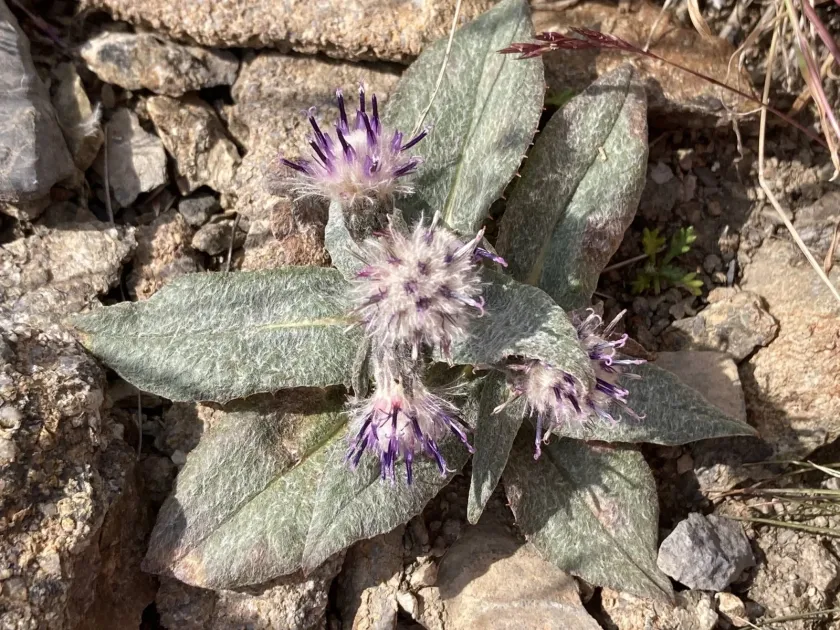
Saussurea depressa is a perennial herbaceous plant belonging to the Asteraceae family. Known for its distinct low-growing, rosetted form, this species is native to high-altitude mountain regions where it thrives in harsh, cold, and rocky environments.
The plant's botanical structure is highly adapted to extreme climates. Its compact habit protects it from high-velocity mountain winds, while its root system is deep enough to access nutrients in stony, thin soils that characterize its natural habitat.
In cultivation, Saussurea depressa requires well-draining, gritty soil to prevent root rot, which is the most common cause of failure in domestic settings. Soil pH should ideally be neutral or slightly acidic, mirroring the conditions of alpine scree slopes.
Climate requirements for this plant include cool temperatures and high solar irradiance. While it is naturally hardy, it demands a site with excellent air circulation to maintain its health and prevent the buildup of pathogens associated with humidity.
Economically, Saussurea depressa is valued for its pharmacological potential. It has long been utilized in traditional medicine systems for its anti-inflammatory and tonic properties, derived mainly from its root extracts, making it a niche but valuable medicinal crop.
Main diseases and pests
The primary threats to Saussurea depressa are fungal pathogens such as Pythium and Phytophthora, which thrive in waterlogged conditions. Maintaining proper drainage is essential to protect the plant from these soil-borne threats throughout its growth cycle.
Pest management involves monitoring for aphids and mountain-dwelling caterpillars that may feed on the tender rosette leaves. Given the plant's sensitivity to chemical interventions, integrated pest management practices are preferred to preserve the quality of the raw material.
Weed competition is a significant threat during the early establishment phase. Saussurea depressa grows slowly and can be easily outcompeted by invasive weeds; therefore, meticulous manual weeding is necessary to ensure the plant receives sufficient resources.
Environmental stress, such as unseasonable warming leading to moisture retention around the crown, can weaken the plant and make it susceptible to opportunistic infections. Site selection should prioritize areas that do not hold water during winter thaws.
Regular sanitation of the growing area is required to prevent the buildup of infectious agents. All dead or dying foliage should be cleared away periodically to ensure good airflow and to remove potential hiding spots for harmful larvae or fungal spores.