
Saussurea amurensis
Saussurea amurensis
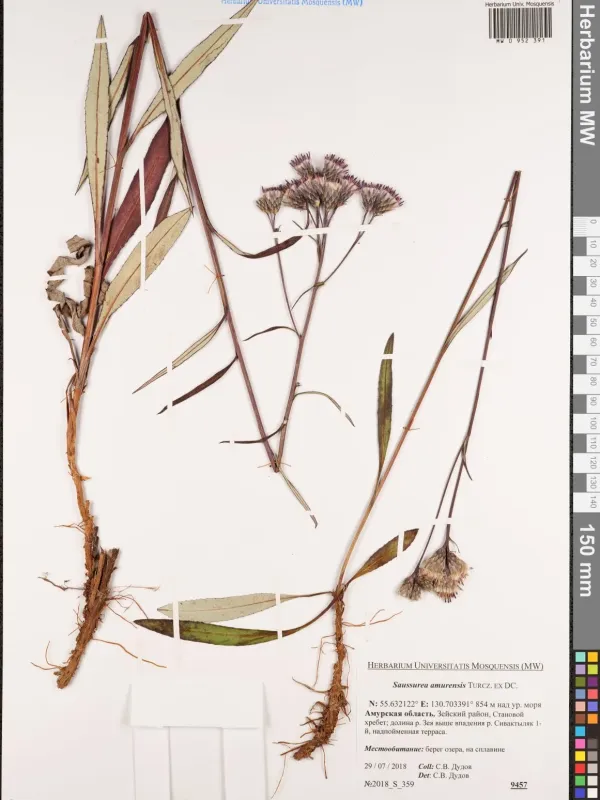
Description
Growing requirements
Saussurea amurensis is a perennial herbaceous plant belonging to the Asteraceae family. It is native to the Far East regions, specifically inhabiting meadows and forest margins where it thrives in diverse ecosystems.
The plant features a robust root system and upright stems that terminate in dense flower heads, which are characteristic of this genus. It is highly valued for its medicinal properties and bioactive compounds.
When cultivating this species, it is essential to provide well-draining soil that is rich in organic matter. Sandy loam or silty loam soils are preferred to ensure that roots receive adequate oxygen levels.
The crop requires full sun exposure to reach its full potential, as shading inhibits floral development and decreases the concentration of essential oils and other secondary metabolites.
Maintenance involves providing consistent irrigation during the establishment phase, while established plants show significant resilience to drought once their root systems are fully integrated into the soil profile.
Main diseases and pests
Common phytopathological threats include powdery mildew, which can colonize the foliage during humid and stagnant air conditions, necessitating careful spacing of the plants.
Root pathogens such as Pythium or Phytophthora may occur in waterlogged conditions, making proper soil preparation and field topography crucial for long-term survival of the crop.
Pests such as aphids and spider mites are frequent invaders that target the undersides of leaves and young buds, which can lead to stunted growth and reduced overall yield of the crop.
Integrated pest management strategies, including the use of beneficial insects and resistant cultivars, are recommended to control infestation levels while maintaining organic standards.
Regular monitoring of the field is necessary to catch early signs of pest pressure or fungal outbreaks, allowing for timely intervention before the infection reaches an epidemic stage.