
Saussurea umbrosa
Saussurea umbrosa
Description
Growing requirements
Saussurea umbrosa is a perennial herbaceous plant belonging to the Asteraceae family. Its native range extends across the forested regions and river valleys of East Asia, which dictates its preference for specific shaded microclimates.
The plant thrives in environments characterized by partial shade and moderate air humidity. In agricultural settings, it requires protection from direct solar radiation during the peak of summer, as it is physiologically adapted to low-light conditions found under forest canopies.
Regarding soil requirements, this species demands well-drained, nutrient-rich soils with a high content of organic matter. It is sensitive to waterlogging, necessitating the selection of sites with good aeration to prevent root rot in wetter seasons.
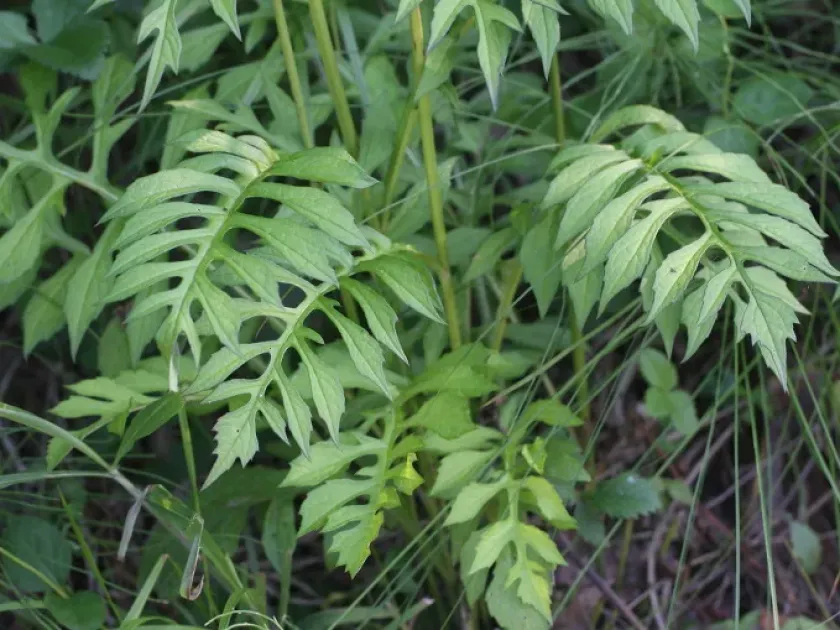
The botanical structure of the plant includes a robust stem and elongated, serrated leaves. These traits allow the species to compete effectively in the understory of forest-margin ecosystems while conserving moisture efficiently.
Economically, Saussurea umbrosa is recognized for its medicinal properties. The plant contains a complex profile of phytochemicals, including flavonoids, making it a valuable crop for the herbal industry, where consistency in cultivation techniques is key to yielding high-quality raw material.
Main diseases and pests
Disease management in Saussurea umbrosa primarily involves preventing fungal outbreaks such as powdery mildew and root rot, which are triggered by stagnant water and poor air circulation within the canopy.
Common insect pests include aphids and mites, which can cause significant damage to young vegetative tissues, potentially reducing the overall quality of the harvest for pharmaceutical applications.
Weed control is critical during the establishment phase, as the plant grows relatively slowly and cannot tolerate heavy competition from faster-growing invasive grasses or broadleaf weeds.
Integrated pest management strategies are highly recommended to maintain the medicinal purity of the plants, focusing on biological controls rather than broad-spectrum synthetic pesticides.
Maintaining optimal spacing between plants is essential to ensure adequate airflow, which is a primary cultural method used by growers to naturally mitigate the risk of pathogen accumulation.