
Saussurea triptera
Saussurea triptera
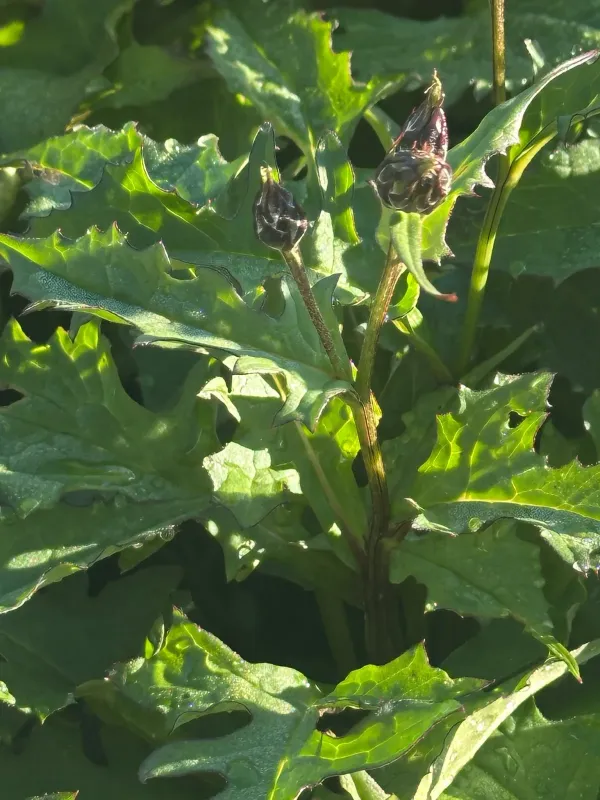
Description
Growing requirements
Saussurea triptera is a perennial herbaceous plant belonging to the Asteraceae family. Native to the mountainous regions of East Asia, this species has evolved to thrive in temperate climates, often occupying rocky slopes and alpine meadows where drainage is naturally excellent.
The plant is botanically distinguished by its winged stems, which give it its specific name, and its typical asteraceous inflorescences. The flowers are arranged in compact heads, which are highly attractive to pollinators, contributing to the biodiversity of its natural habitat and cultivated plots.
Regarding climatic requirements, the plant prefers regions with cool summers and adequate moisture during the growing season. While it is hardy in many respects, it requires protection from severe waterlogging, which often occurs during late spring thaws, making soil structure a priority for growers.
Soil conditions for Saussurea triptera must be loose, well-aerated, and slightly acidic to neutral. Growers should focus on incorporating organic matter to improve soil fertility while maintaining a crumb structure to prevent compaction, which hinders the expansion of the fibrous root system.
The economic value of this crop is primarily found in the pharmaceutical industry. It is known to synthesize secondary metabolites, including specific sesquiterpene lactones, which are harvested for their medicinal efficacy. Proper cultivation practices ensure high yield of these bioactive compounds for herbal medicine.
Main diseases and pests
Cultivation is frequently challenged by fungal pathogens such as powdery mildew, especially when humidity levels remain high for extended periods. Furthermore, root rot caused by poor soil drainage remains a significant threat, necessitating the use of raised beds or improved drainage systems to ensure crop survival.