
Saussurea tanakae
Saussurea tanakae
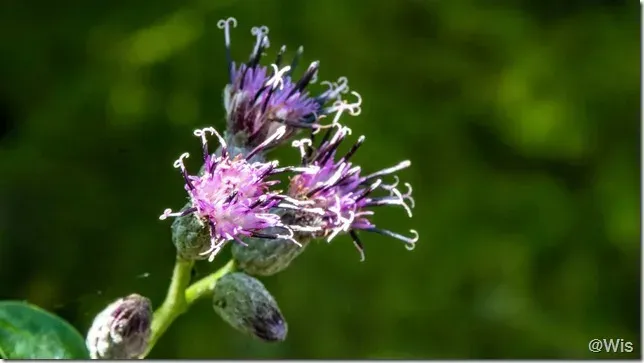
Description
Sowing dates
Sowing Saussurea tanakae seeds is best performed in early spring once soil temperatures reach a consistent 10–12°C. The seeds require a period of stratification to break dormancy; therefore, either sowing before the first frost or artificial cold storage for two months is recommended for uniform germination.
Seeds should be planted at a shallow depth of approximately 0.5–1 cm. Given their small size, they require careful moisture management to ensure the substrate remains consistently damp without flooding, which could wash away or rot the seeds.
Optimal row spacing should be maintained at 45–60 cm to allow the plants sufficient room to develop their signature leaf rosettes. Overcrowding can lead to stunted growth and increased susceptibility to fungal diseases due to poor air circulation.
Some commercial growers prefer using greenhouse-grown transplants. These are raised until the 3- or 4-true-leaf stage before being hardened off and transplanted into open field conditions to ensure a higher establishment rate.
Choosing a site that balances sunlight exposure with protection from harsh, drying winds is crucial for the successful establishment of young seedlings during the initial weeks of growth.
Growing requirements
Saussurea tanakae belongs to the Asteraceae family and is native to mountainous regions in East Asia. It thrives in cool, temperate climates and performs best in locations that mimic its natural habitat's environmental conditions.
The plant requires well-drained, nutrient-rich loam soils with a pH ranging between 6.0 and 7.0. While it favors moist conditions, it is highly sensitive to waterlogging, which can rapidly lead to root decay in heavy, clay-based soils.
Although it is a sun-loving species, high temperatures can cause leaf scorch. Providing partial shade or selecting areas with intermittent sunlight during the peak of summer is essential for maintaining plant vigor and leaf quality.
Consistent irrigation is vital, particularly during the early vegetative phase. Farmers should employ drip irrigation systems to deliver water directly to the root zone while keeping the foliage dry to prevent disease outbreaks.
Nutrient management focuses on balanced NPK applications in the spring. As the plant approaches its reproductive phase, increasing potassium levels can help improve its overall resilience and the quality of the harvested parts.
Main diseases and pests
The primary threats to Saussurea tanakae are soil-borne pathogens, particularly fungi that cause damping-off or root rots. These are most prevalent when soil moisture levels are poorly controlled or when drainage is inadequate.
Insect pests, including aphids and spider mites, pose a risk, especially during hot, dry weather. These pests extract sap from the developing leaves, which can reduce the plant's growth rate and overall yield if not managed through timely intervention.
Cultural control remains the best defense against disease. Practicing strict crop rotation, ensuring wide spacing between plants, and removing crop debris at the end of the season are fundamental steps for any successful cultivation program.
While chemical pesticides can be used to control major infestations, their use should be minimized, especially if the crop is intended for the herbal market. Integrated pest management (IPM) strategies, including biological controls, are highly recommended.
Regular monitoring of the site is critical. Early detection of leaf yellowing or stunted growth allows for targeted intervention before a localized issue becomes a widespread problem across the entire crop field.