
Saussurea subtriangulata
Saussurea subtriangulata
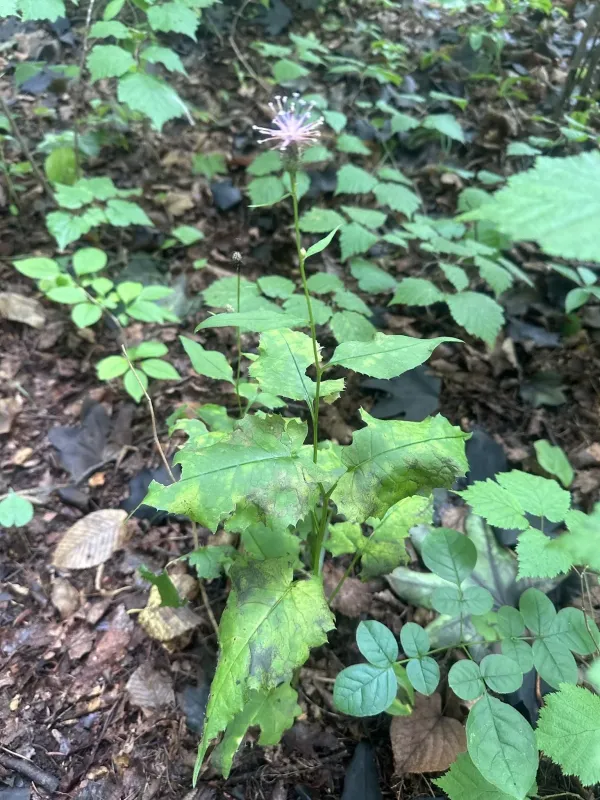
Description
Sowing dates
Saussurea subtriangulata is a perennial herbaceous plant belonging to the Asteraceae family. In its natural mountain habitat, seeds mature toward the end of summer, leading to natural dispersal during the autumn months.
For agricultural cultivation, seeds require a period of stratification for 1 to 2 months at low positive temperatures to ensure uniform germination. Sowing is best performed in late autumn or early spring immediately after the soil thaws.
The sowing depth should be shallow, approximately 1 centimeter, as the seeds require sufficient light to germinate successfully. Once seedlings emerge, thinning is necessary to maintain a spacing of 30–40 centimeters between individual plants.
In greenhouse settings, seeds can be sown in containers in March to produce seedlings for transplanting. Moving plants to the field should occur only after the danger of late frost has passed.
The plant exhibits a slow growth rate during its first year, typically forming only a basal rosette of leaves. Robust stem development and flowering usually commence from the second or third growing season.
Growing requirements
This crop prefers well-drained, fertile loam soils with a neutral or slightly acidic pH. Avoiding waterlogged areas is critical, as stagnant moisture quickly leads to root rot and other fungal complications.
Saussurea requires good sun exposure but benefits from light shade during intense mid-day heat in warmer climates. Being adapted to high-altitude environments, the plant is naturally resistant to significant temperature fluctuations.
Protection from strong winds is recommended, particularly as the plant develops tall flowering stems. The application of organic compost during the active growing season promotes vigorous health and development.
Regular but moderate irrigation is essential during dry spells to maintain consistent soil moisture. Excessive watering should be avoided, as it can diminish the concentration of beneficial secondary metabolites in the plant tissues.
Weed control and regular mulching are vital during the early stages of plant establishment. Mulch serves to retain soil moisture and prevents overheating of the root system during the peak of summer.
Yield
The primary value of Saussurea subtriangulata lies in its utilization as raw material for the pharmaceutical and traditional medicine sectors. Total biomass yield depends on planting density and the quality of soil management.
The maximum accumulation of active compounds occurs during the peak flowering phase. Harvesting at this specific time ensures the highest concentration of flavonoids and other bioactive constituents.
With proper care, a plantation can provide a sustainable yield over several years. Productivity generally increases as the root system matures and the plants grow larger throughout the perennial cycle.
Proper drying technology is the most important factor in maintaining product quality. Drying should be conducted under shaded, well-ventilated conditions to prevent the degradation of heat-sensitive chemical compounds.
Plantation productivity may decline after 4–5 years, necessitating crop rotation or site renewal. Planned succession of planting ensures consistent output quality and quantity for commercial purposes.
Main diseases and pests
Fungal diseases are the primary threat, especially in conditions of high humidity or poor soil drainage. Root rot and leaf spot diseases are the most common concerns for growers of this species.
Pests such as aphids and spider mites may infest the plants during prolonged dry weather. Regular monitoring is necessary to catch and treat outbreaks early before they spread across the plantation.
Slugs and snails can cause damage to young foliage during wet springs. Physical barriers and habitat management are preferred strategies to minimize damage without relying on heavy chemical interventions.
Prevention is key, and it centers on maintaining proper spacing between plants to encourage air circulation. Poor ventilation in dense plantings is the leading factor contributing to the rapid spread of pathogens.
Due to the medicinal nature of the crop, the use of synthetic pesticides is strongly discouraged. Integrated pest management and the use of organic bio-preparations are the standard practices for this culture.
Harvesting
Harvesting begins when the plants enter the stage of mass flowering. At this point, the plant contains the most favorable chemical profile required for medicinal processing and industrial extraction.
The stems should be cut using a sharp tool at a height of approximately 10–15 centimeters above the soil. This height prevents injury to the basal rosette and allows the plant to recover effectively for future seasons.
Raw material must be protected from direct sunlight immediately after cutting to prevent chemical degradation. Efficient logistics are required to transport the harvest to drying facilities without delay.
The crop should be spread in thin layers in a well-ventilated room for drying. Frequent turning of the material ensures uniform moisture loss and prevents the development of mold, which would ruin the harvest.
Post-harvest, the field should be cleared of debris and lightly cultivated to prepare for winter dormancy. This helps maintain the health of the perennial rootstock and improves plant vigor for the coming year.