
Saussurea salsa
Saussurea salsa
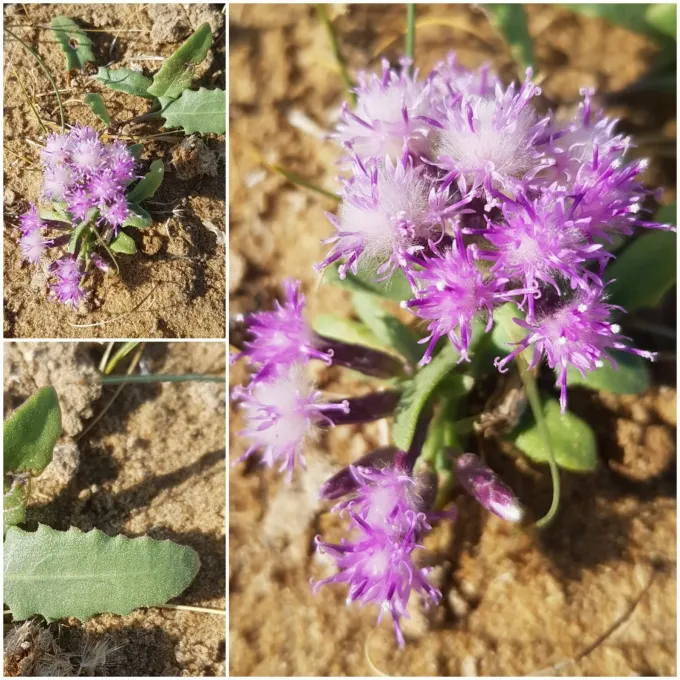
Description
Growing requirements
Saussurea salsa belongs to the Asteraceae family and is recognized as a significant halophyte. This plant has evolved to thrive in high-salinity environments, making it a valuable candidate for the reclamation of salt-affected agricultural lands.
The plant originates from the arid and semi-arid regions of Eurasia. Its botanical structure includes a deep taproot system designed to access moisture in harsh environments, allowing it to remain productive where traditional crops fail.
Requirements for cultivation focus on high light intensity and proper soil salinity. Saussurea salsa is highly tolerant to various types of salt stress, demonstrating an ability to bioaccumulate salts from the soil into its biomass.
Regarding soil, it prefers areas with high sodium and chloride content. It is extremely resilient to the alkaline pH levels that are commonly associated with saline desert soils, showing remarkable vigor in such harsh conditions.
The plant is highly adaptable to climate fluctuations. It withstands extreme heat and cold, which are typical for the steppe regions, requiring minimal water inputs once established, making it a low-maintenance crop for marginal lands.
Main diseases and pests
While Saussurea salsa is generally hardy, it can be susceptible to powdery mildew during seasons of excessive humidity. Improving air circulation within the plant canopy is the most effective preventative measure.
Insect pests such as aphids may occasionally impact the plant's development, specifically affecting the floral heads. Regular field scouting is advised during the peak growing season to monitor infestation levels.
Root rot is a potential risk when planted on heavy soils with poor drainage. Proper site selection and land preparation are essential to ensure the root system does not suffer from waterlogging.
Due to its role as a potential forage source in certain regions, the use of chemical pesticides should be strictly managed or avoided in favor of integrated pest management practices.
The overall plant health is robust. By maintaining natural saline conditions, the plant remains highly competitive against weeds and less susceptible to the majority of common horticultural pathogens.