
Saussurea riederi
Saussurea riederi
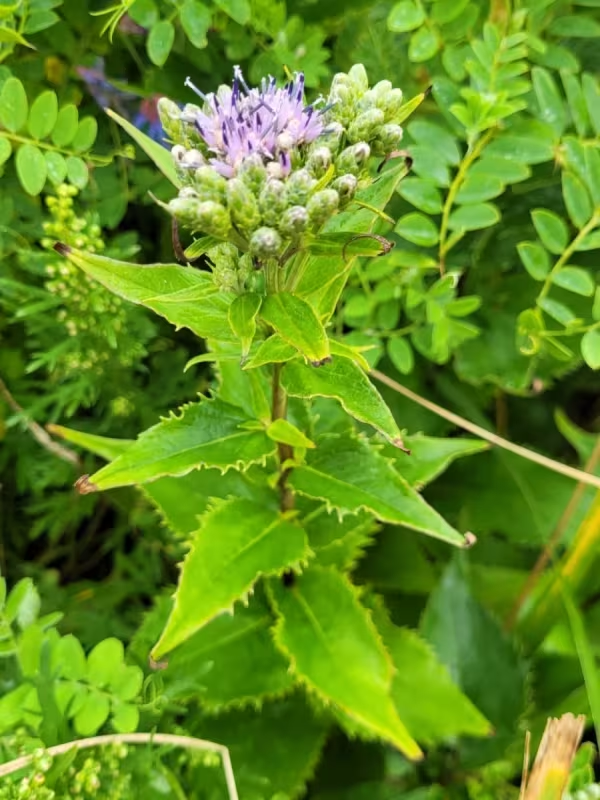
Description
Growing requirements
Saussurea riederi is a perennial herbaceous plant belonging to the Asteraceae family. Native to the harsh environments of the Far East, this plant is well-adapted to high-altitude landscapes and rocky, exposed terrains.
For successful cultivation, the plant requires well-drained soils that mimic its natural habitat. Heavy clays should be avoided, as stagnant water can lead to root system decay and poor plant vigor throughout the growing season.
The ideal climatic conditions for this crop involve cool, moist summers and cold winters. The plant is remarkably cold-hardy, capable of surviving harsh frost cycles, which makes it suitable for agriculture in temperate and sub-arctic regions.
Regarding soil fertility, while the plant grows in poor rocky soils naturally, it benefits from moderate enrichment with organic matter in a field setting. Maintaining a neutral soil pH is generally recommended for optimal nutrient uptake.
The primary agricultural use of this plant is for the pharmaceutical industry. Its biomass is harvested for the extraction of bioactive substances, which are utilized in traditional and modern medicinal formulations.
Main diseases and pests
Pathogenic fungi represent the most significant threat to the health of the crop. Fungal rots are particularly prevalent in poorly drained soils or during periods of excessively high humidity, necessitating strict water management.
Powdery mildew can affect the foliage during the mid-summer months, especially in dense plantings where air circulation is restricted. Pruning and spatial management are key preventative measures to keep the plants healthy.
Pests such as aphids often target the younger leaves, drawing out sap and reducing the plant's overall growth potential. Early detection through regular field scouting allows for effective biological or chemical control.
Soil-dwelling insects, such as wireworms, can inflict damage on the root system, particularly affecting the establishment phase. Pre-planting soil treatment is highly recommended to protect the root health of the crop.
Integrated pest management strategies should be applied to keep disease pressure low. Rotating crops and maintaining clean fields significantly improve the survival rate and yield quality of the Saussurea riederi harvest.