
Saussurea pulchella
Saussurea pulchella
Description
Sowing dates
Saussurea pulchella is a perennial herbaceous plant belonging to the Asteraceae family. While not a conventional staple crop, it is gaining interest in the specialized agricultural sector for its valuable medicinal properties and botanical characteristics.
Originating from East Asia, this species is native to diverse habitats including grasslands and forest edges. Its natural range encompasses regions such as the Russian Far East, China, and Japan.
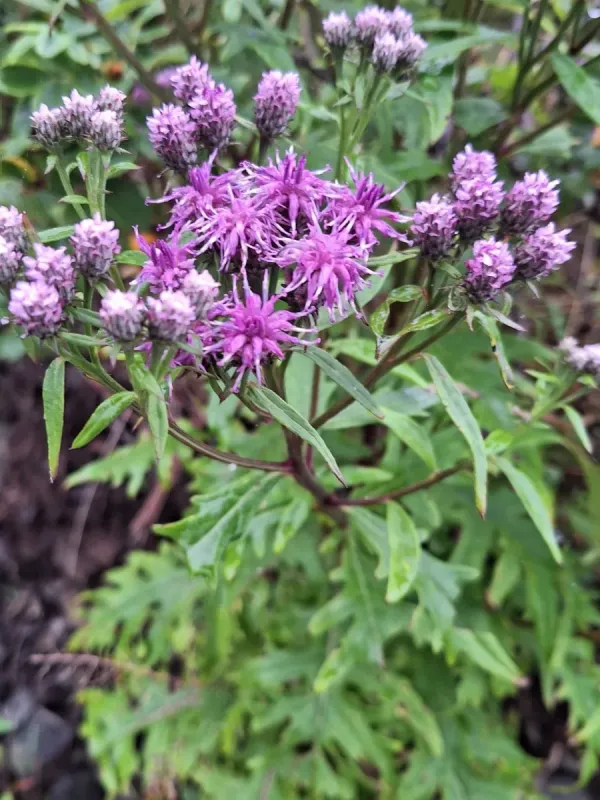
The plant features a sturdy stem and distinctive purple flower heads that characterize the genus. It is well-adapted to cool, temperate climates and demonstrates resilience against variable weather patterns.
Propagation is typically achieved through seeds, which require specific conditions for germination. Seedbed preparation should focus on creating a loose, well-aerated environment to support early root development.
Industrially, this crop is valued for its bioactive compounds. It serves as a raw material for pharmacological extracts, which are used for their medicinal properties in traditional and modern herbal practices.
Growing requirements
The plant thrives in moderate climates with a regular supply of rainfall. It is relatively frost-tolerant, allowing for successful cultivation in regions with cold winters and distinct seasons.
Soil requirements involve a preference for fertile, well-drained loams. Excessive moisture retention in the soil profile should be avoided to prevent root diseases and stunted plant growth.
Full sun exposure is crucial for the optimal synthesis of secondary metabolites. High light intensity throughout the growing season ensures robust plant architecture and better biomass yields.
Agricultural management requires regular inter-row cultivation to minimize competition from weeds. Young seedlings are sensitive to weed pressure, making early-stage maintenance a priority.
A balanced fertilization program, prioritizing balanced nitrogen-phosphorus-potassium levels, supports the vegetative stage and helps the plant survive stressful environmental conditions.
Main diseases and pests
Root rot caused by excess soil moisture is the primary physiological and pathological threat to Saussurea pulchella. Proper drainage design is essential to mitigate these risks in commercial fields.
Common insect pests include aphids and spider mites, which can cause significant damage to foliage. Integrated pest management strategies are recommended to keep populations below threshold levels.
Viral infections can sometimes be transmitted by insect vectors. Maintaining clean fields and controlling weeds that host these vectors are vital for overall crop health.
Preventative measures against fungal pathogens involve selecting resistant planting sites and avoiding dense planting patterns that restrict airflow around the plants.
The use of sustainable, eco-friendly crop protection agents is encouraged to ensure the final herbal product meets safety and quality standards for consumer use.