
Saussurea odontolepis
Saussurea odontolepis
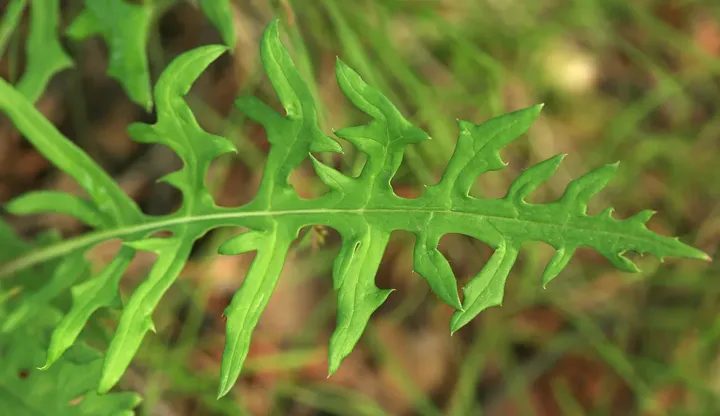
Description
Growing requirements
Saussurea odontolepis is a perennial herbaceous plant belonging to the Asteraceae family. Known for its adaptation to high-altitude environments, it is primarily found in the mountainous regions of Central Asia where it thrives in harsh climatic conditions.
The crop requires well-drained, sandy or stony soils to ensure the health of its root system. It is intolerant of waterlogged conditions, which frequently lead to root rot and poor overall development, making site selection critical for successful cultivation.
In terms of climate, the species is remarkably frost-resistant, having evolved in high-mountain ecosystems. However, it requires a temperate, well-ventilated environment and protection from extreme mid-day heat during the summer months to prevent dehydration.
Agronomic management involves maintaining neutral soil pH and ensuring adequate space between plants to prevent overcrowding. As a slow-growing species, it is highly sensitive to weed competition, necessitating systematic hand-weeding during the initial growth stages.
Economically, this plant is valued in the pharmaceutical industry. Its extracts are studied for their potential antioxidant, anti-inflammatory, and medicinal properties, making it a valuable specialty crop for high-value botanical markets.
Main diseases and pests
The primary threats to Saussurea odontolepis include fungal diseases that flourish in high humidity. Powdery mildew can occur if there is poor air circulation, negatively impacting the quality of the harvested aerial parts used in medicine.
Root rot caused by soil-borne pathogens remains a major risk factor, particularly in soils with insufficient drainage. Proper preparation of the field, including the incorporation of gravel or coarse sand, is essential to mitigate these risks.
Insect pests, such as aphids and various leaf-mining larvae, can cause damage to the photosynthetic surface of the plant. If left untreated, these infestations can reduce the concentration of active medicinal compounds in the plant tissues.
Cultural control measures, such as crop rotation and the removal of plant debris, are recommended to break the life cycles of pests and diseases. Avoiding monoculture in small plots helps maintain a balanced micro-ecosystem.
Integrated pest management (IPM) strategies should be prioritized over broad-spectrum pesticides. Given that the crop is intended for medical applications, maintaining purity and limiting chemical residues is essential for market compliance.