
Saussurea nipponica
Saussurea nipponica
Description
Growing requirements
Saussurea nipponica is a perennial herbaceous plant belonging to the Asteraceae family. Native to East Asian regions including Japan, this species is known for its resilience and specific growth habits in varied environmental conditions.
The crop requires well-drained, fertile soil to thrive. It performs best in substrates that are slightly acidic to neutral, avoiding waterlogged areas that could potentially lead to the development of root diseases and reduced vigor.
Climatic requirements involve a preference for temperate zones with consistent moisture levels. While the plant can tolerate cold, it needs adequate sunlight during the growing season to reach its full vegetative potential and produce high-quality biomass.
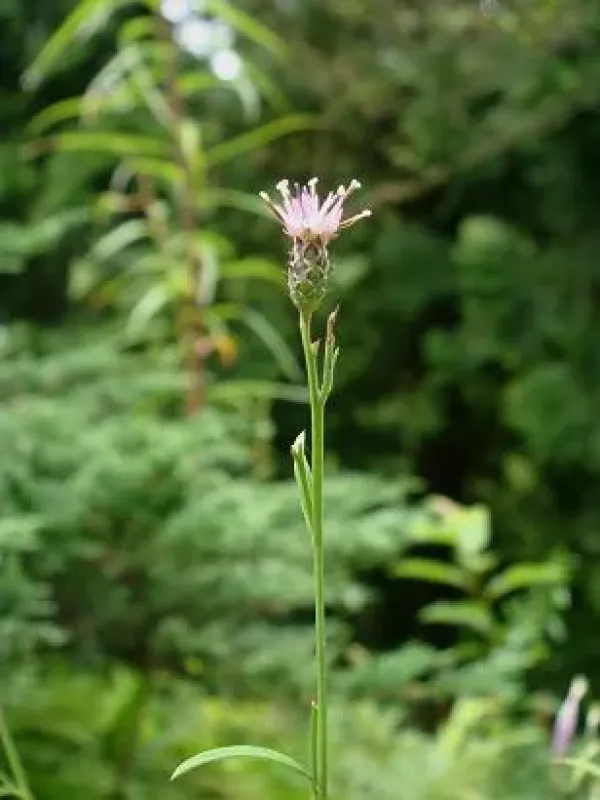
Botanically, the plant is recognized by its sturdy stem and serrated leaf structure. The flower heads are typical of the genus, appearing as dense clusters that serve as diagnostic traits for identifying this species in the field.
In terms of agricultural and commercial use, Saussurea nipponica is primarily cultivated for its secondary metabolites. These compounds are extensively researched and utilized in the pharmaceutical industry for their antioxidant properties.
Main diseases and pests
The primary threats include fungal infections such as root rot and leaf spot, which are often exacerbated by poor drainage and excessive humidity in the field or greenhouse environment.
Pests like aphids and spider mites can infest the foliage, particularly during dry spells. Integrated pest management strategies, such as biological control and habitat maintenance, are essential for maintaining a healthy stand of plants.