
Saussurea neoserrata
Saussurea neoserrata
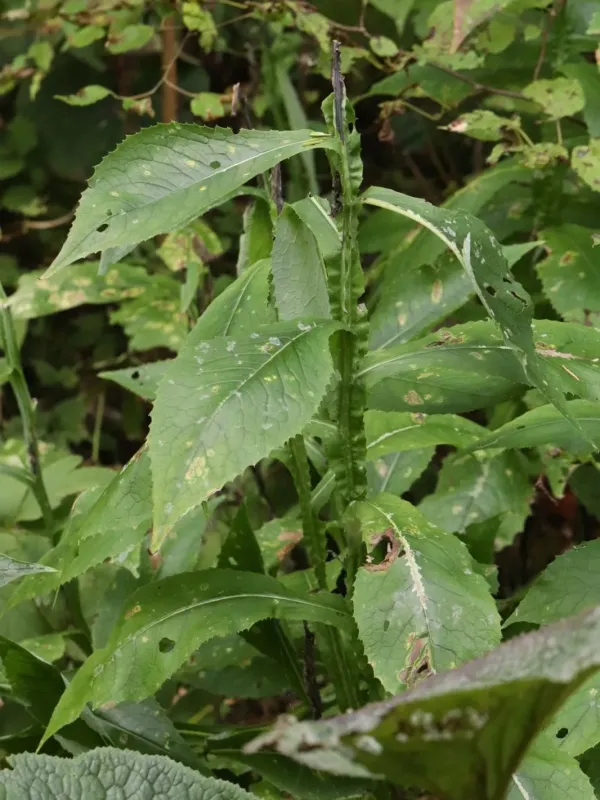
Description
Growing requirements
Saussurea neoserrata is a perennial herbaceous plant belonging to the Asteraceae family. Known for its distinct morphological features, this species is gaining attention in botanical and specialized agricultural studies.
The plant thrives in well-drained, nutrient-rich soils with a neutral or slightly acidic pH level. Soil structure should ideally be loamy or sandy-loam to facilitate root development.
In terms of climate requirements, the plant prefers temperate conditions with moderate moisture levels, typically found in mountainous or forest-edge environments within its native range.
Sunlight is a crucial factor for Saussurea neoserrata, as it requires high intensity of light during the active growing season to maintain its structural integrity and leaf development.
Botanically, it is characterized by its serrated leaf edges and robust stems, which are adaptations developed to survive in diverse environmental conditions throughout its native distribution area.
Main diseases and pests
The primary agricultural threats to this crop include root rot pathogens, which are often exacerbated by poor drainage or excessive soil moisture during the spring thaw.
Powdery mildew represents a significant fungal threat, especially in areas with stagnant air and high humidity, leading to decreased yields and vitality.
In terms of pests, aphids and various leaf-chewing insects can significantly impact the plant's health by damaging foliage and hindering the photosynthetic process.
Effective management includes regular field inspections and the maintenance of optimal planting spacing to ensure proper air circulation and reduce disease transmission.
Crop rotation practices and the removal of adjacent weed populations are recommended as essential steps to minimize the risks posed by common agricultural pests.