
Saussurea maximowiczii
Saussurea maximowiczii
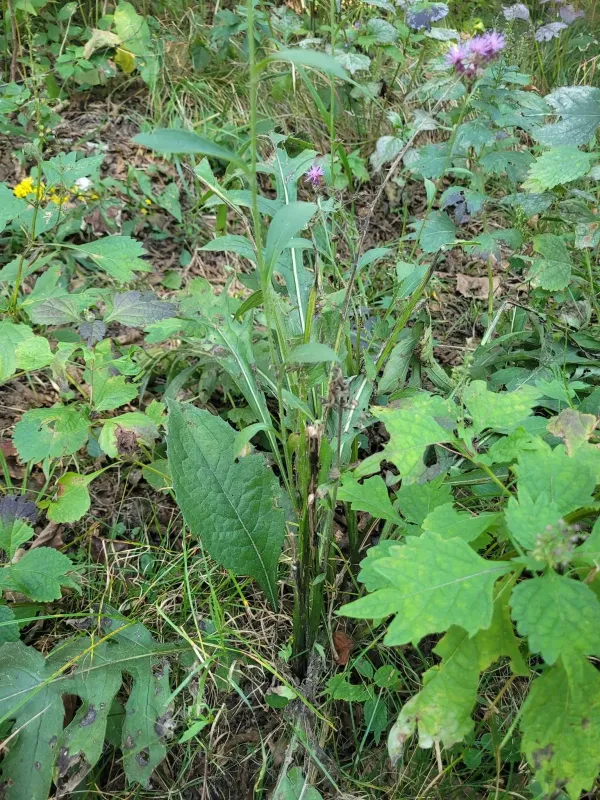
Description
Sowing dates
Cultivation of Saussurea maximowiczii begins with proper seed management. Seeds require cold stratification to break dormancy and ensure uniform germination. They should be sown in early spring as soon as the soil is workable to take advantage of natural moisture levels.
The optimal sowing depth is 1 to 2 centimeters. Because the seeds are relatively small, it is essential to prepare a fine, firm seedbed. Soil compaction using a light roller after sowing can help ensure good seed-to-soil contact for better imbibition.
Row spacing should be maintained at 50–60 cm to allow for adequate ventilation and root development. Since the plant is a perennial, establishing a proper density at the start is crucial, aiming for about 8 to 10 plants per square meter for optimal production.
The germination period can be slow and erratic. Growers should maintain consistent soil moisture throughout the seedling establishment phase. Using high-quality, pre-tested seeds is highly recommended to ensure a sufficient plant stand.
During the first year, growth is predominantly focused on the root system and the formation of a basal leaf rosette. Growers should avoid excessive mechanical disturbance during this stage to allow the plant to establish its primary architecture.
Growing requirements
Saussurea maximowiczii belongs to the Asteraceae family and is well-adapted to cooler temperate climates. It performs best in open, sunny locations, which are essential for vigorous growth and the production of secondary metabolites in the roots.
The plant thrives in well-drained, fertile, loamy soils with a neutral pH. It is highly sensitive to waterlogged conditions, which can lead to root rot. If heavy clay soil is present, incorporating organic matter is necessary to improve drainage and soil structure.
The species demonstrates excellent hardiness, making it suitable for regions with harsh winters. It does not require special winter protection, as the plant remains dormant during freezing periods and is protected by its robust, fleshy root system.
Maintenance involves regular weeding and inter-row cultivation throughout the growing season. Keeping the field free of competing vegetation allows for better resource availability and enhances the concentration of active components in the plant tissue.
Fertilization should be handled carefully, favoring phosphorus and potassium to promote root health and winter hardiness. Excessive nitrogen should be avoided as it may lead to lush vegetative growth at the expense of root development.
Main diseases and pests
The most significant threats to Saussurea maximowiczii are soil-borne pathogens, particularly fungi that thrive in moist, cool conditions. Fusarium species and root rots are common concerns that can devastate the crop if drainage is poor.
Pest problems typically include aphids and various leaf-chewing insects. While usually not fatal to mature plants, high infestation levels can significantly reduce the photosynthetic capacity of the leaves, impacting overall root mass.
Crop rotation is the most effective cultural control method. Avoid planting Saussurea in fields that have recently hosted other Asteraceae species to prevent the buildup of host-specific pathogens and pests in the soil.
Field monitoring should occur frequently, especially during the humid spring months. Removing and destroying infected plants promptly can stop the localized spread of pathogens and save the rest of the field from serious outbreaks.
Integrated Pest Management (IPM) practices, such as encouraging natural predators and using selective botanical insecticides, are preferred to chemical synthetic pesticides, particularly because the plant is often intended for herbal use.
Harvesting
Harvesting usually takes place in the autumn of the third or fourth year of growth. By this time, the root system has typically reached peak size and maximized its accumulation of bioactive compounds, which is the primary objective of cultivation.
Mechanical harvesting requires specialized equipment capable of undercutting the soil at a sufficient depth, usually around 30 cm, to lift the roots without excessive damage or breakage. Damaged roots are more susceptible to decay during storage.
Post-harvest processing involves thorough cleaning. Roots must be washed with pressurized water to remove all traces of soil and debris. Following this, the roots are often sliced into uniform pieces to facilitate faster and more even drying.
Drying is a critical step that must be carefully managed. A temperature-controlled environment at around 40–50 degrees Celsius is ideal. Excessive heat can degrade the essential oils and medicinal properties of the botanical material.
Storage should be in cool, dark, and dry conditions. Using breathable containers like paper bags or woven sacks helps maintain the quality of the product, protecting it from moisture and direct UV light exposure for up to three years.