
Saussurea lappa
Saussurea lappa
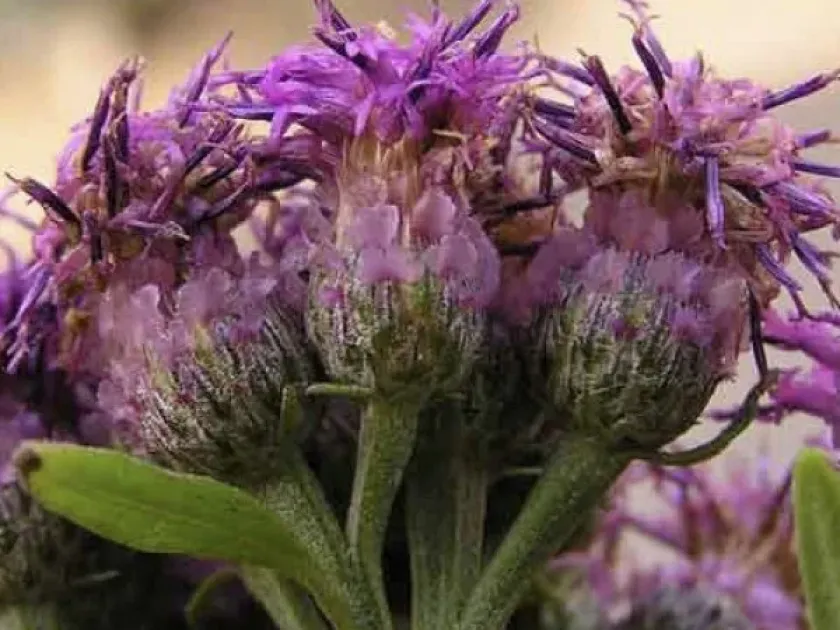
Description
Sowing dates
Seeds of Saussurea lappa are typically sown in prepared soil before winter or in early spring following a stratification period. The seeds require pre-sowing treatment to improve germination due to their tough seed coat.
The seeding depth should be 1–2 centimeters, ensuring firm contact between the seed and the soil for uniform germination. Row planting is recommended to facilitate easier weeding and inter-row cultivation throughout the growth cycle.
Seedlings emerge slowly, making it critical to monitor soil moisture to prevent the surface layer from drying out during the germination window. Optimal soil temperature for active growth is around 10–15 degrees Celsius.
When spring sowing is practiced, it is vital to complete operations before the onset of high summer temperatures, which can negatively affect the development of young plants in their first year.
Plant density is adjusted through thinning, leaving approximately 30–40 centimeters between plants to ensure the proper development of the massive taproot system.
Growing requirements
Saussurea lappa is a perennial herbaceous plant belonging to the Asteraceae family, native to the high-altitude regions of the Himalayas. The crop prefers a cool climate with moderate humidity, mimicking the conditions of alpine meadows.
Soil for successful cultivation must be fertile, well-drained, and rich in organic matter. The plant cannot tolerate waterlogging, so heavy clay soils require the incorporation of sand or gravel to enhance aeration and prevent root rot.
While the plant needs sufficient light, it tolerates partial shade, which is characteristic of its natural mountain slopes. Cultivation in regions with hot summers is challenging as the plant is sensitive to soil overheating.
Agronomic practices include regular hoeing and weed management, particularly in the first year of vegetation when the plant’s growth rate is relatively slow. Mineral fertilizers should be used in moderation, with a preference for organic composts.
Given its powerful taproot, the soil must be deeply tilled before planting to prevent deformation of the root and to ensure sufficient accumulation of bioactive compounds throughout the growth period.
Yield
The yield of Saussurea lappa is measured by the mass of the harvested roots, which accumulate the highest concentration of essential oils and alkaloids by the third or fourth year of life.
With proper agronomic management, significant volumes of high-quality raw material suitable for the pharmaceutical industry can be harvested per hectare. Dry root yield depends on planting density and soil fertility levels.
The economic value of the crop is driven by its high content of costus oil, which is in great demand for perfumery and traditional medicine. Quality depends heavily on the timing of the harvest and the conditions of subsequent drying.
An important quality metric is the essential oil yield percentage, which correlates with proper site selection and consistent irrigation regimes during the plant's active growth phases.
Harvest stability relies largely on the cold-hardiness of the selected cultivar and its ability to withstand late spring frosts, which are common in its natural habitat regions.
Main diseases and pests
The main threats to Saussurea crops are fungal diseases that thrive in high humidity and poor drainage conditions. Root rot can destroy an entire plantation in a very short period if not identified early.
Among pests, subterranean insects that damage the root system are the most harmful, along with certain leaf-eating insects that target the succulent foliage during the flowering period.
Disease prevention strategies center on strict crop rotation, as returning the crop to the same plot before 5–7 years have passed significantly increases the risk of soil-borne pathogen accumulation.
Fungicide application must be strictly regulated given the medicinal purpose of the plant and strict requirements for environmental purity, particularly when the raw material is intended for international export.
Timely rogueing, or the removal of diseased plants and infected parts, is essential for limiting the spread of pathogens and maintaining the overall productivity of the crop stand.
Harvesting
Harvesting of Saussurea lappa roots is performed in the autumn when the above-ground parts of the plant begin to wither, signaling that the roots have reached peak concentration of active compounds.
The excavation process requires great care to avoid damaging the taproot. Mechanical harvesting is possible using specialized diggers or adapted potato harvesters with the appropriate digging depth.
After excavation, the roots are cleaned of soil residues, washed with running water, and sliced into medium-sized pieces to accelerate the drying process in well-ventilated facilities.
Drying is carried out in the shade or in regulated dehydrators at temperatures not exceeding 40 degrees Celsius to prevent the loss of valuable essential oils that form the basis of the crop's commercial value.
The finished product must have a characteristic aroma and proper texture, after which it is packaged in airtight containers to prevent the evaporation of active components during transport and storage.