
Saussurea japonica
Saussurea japonica
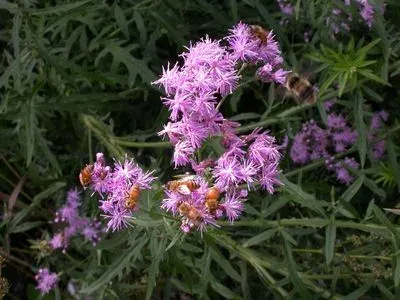
Description
Sowing dates
Saussurea japonica is an herbaceous perennial that is primarily propagated by seeds. Sowing in open ground is typically performed either in late autumn or early spring once the soil temperature reaches 5–8 degrees Celsius.
To ensure uniform germination, seeds require cold stratification for 30–45 days. This treatment increases germination energy and improves the survival rate of young seedlings under field conditions.
When using the transplant method, sowing is done in late February or early March in nursery trays. This controlled environment allows for better management of microclimate factors during the early developmental stages.
The planting depth should not exceed 1–1.5 centimeters. Excessively deep sowing can lead to delayed emergence or the death of the embryo due to the depletion of nutrient reserves within the seed.
Planting density must account for the mature size of the plant. A row spacing of 45–60 centimeters is recommended to facilitate maintenance work and ensure adequate nutrient distribution for each individual plant.
Growing requirements
This species belongs to the Asteraceae family and has specific soil fertility needs. The plant thrives in light, well-drained loamy soils with a neutral or slightly acidic pH level.
Saussurea japonica prefers areas with full sun exposure, although it can tolerate partial shade during high-heat periods. Waterlogged soil conditions are detrimental as they significantly increase the risk of root rot diseases.
The plant demonstrates moderate cold tolerance and can successfully overwinter in temperate climates provided there is consistent snow cover. In snowless winters, light organic mulching is recommended to protect the root crown.
Regular irrigation is essential during the active growing season, particularly during drought periods. However, watering should be reduced in late summer to promote the hardening of plant tissues before winter.
Cultivation practices must include consistent weeding and inter-row cultivation. This improves soil aeration, which is vital for the physiological function and nutrient uptake of the root system.
Yield
The economic value of Saussurea japonica lies in the harvest of its aerial parts, specifically stems and leaves containing bioactive compounds. Peak biomass production is typically achieved in the second and third year.
Yield depends heavily on the level of agronomic management and moisture availability. With proper care, a well-managed plantation can produce several tons of dry raw material per hectare depending on the cultivation region.
It is important to remember that the primary goal is to obtain high-quality pharmaceutical material. Therefore, harvesting after the start of the flowering phase is critical to ensure the concentration of active ingredients remains optimal.
The production cycle should be planned according to the plant's phenological stages. Sustainable productivity is usually maintained for 4–5 years, after which the plantation should be rotated to prevent soil exhaustion.
Quality control during drying is essential. The use of specialized drying facilities with temperature control ensures that the chemical integrity of the harvested biomass is preserved for industrial use.
Main diseases and pests
The most common health issues for Saussurea japonica are fungal infections, such as powdery mildew and various leaf spots. High humidity and poor air circulation within dense stands create favorable conditions for these pathogens.
Pests such as aphids and leaf-eating insects pose significant risks. They not only damage the photosynthetic surface but may also act as vectors for viral diseases that reduce the overall health of the crop.
Disease management includes preventive fungicide applications during early growth stages and strict adherence to crop rotation principles. Avoid planting on the same site more frequently than once every 3–4 years.
Mechanical damage to roots during weeding can provide an entry point for secondary infections. Therefore, all inter-row work must be performed carefully to avoid root disturbance or deep mechanical injury.
In cases of severe pest infestation, the use of insecticides is permitted in accordance with medicinal crop guidelines. Strict adherence to pre-harvest intervals is mandatory to ensure the final product meets safety standards.
Harvesting
Harvesting is performed during the peak flowering stage, when the concentration of beneficial metabolites is at its highest. This timing is the most critical factor in achieving premium product quality.
Stems should be cut at a height of 5–10 centimeters above the soil surface using sharp sickles or mechanical harvesters. It is essential to ensure that the harvested material is free of soil, stones, and other contaminants.
Harvested material must be transported immediately to drying or processing facilities. Any delay can cause internal heating and enzymatic degradation, which negatively impacts the quality of the raw material.
Drying is conducted in well-ventilated sheds protected from direct sunlight. The optimal temperature range is 40–50 degrees Celsius, which allows for rapid moisture loss while maintaining the leaf color and chemical profile.
After drying, the material is cleaned and sorted according to quality standards. The finished product is packed in airtight containers and stored in cool, dry warehouses until it is shipped for further processing.