
Large-leaved saussurea
Saussurea grandifolia
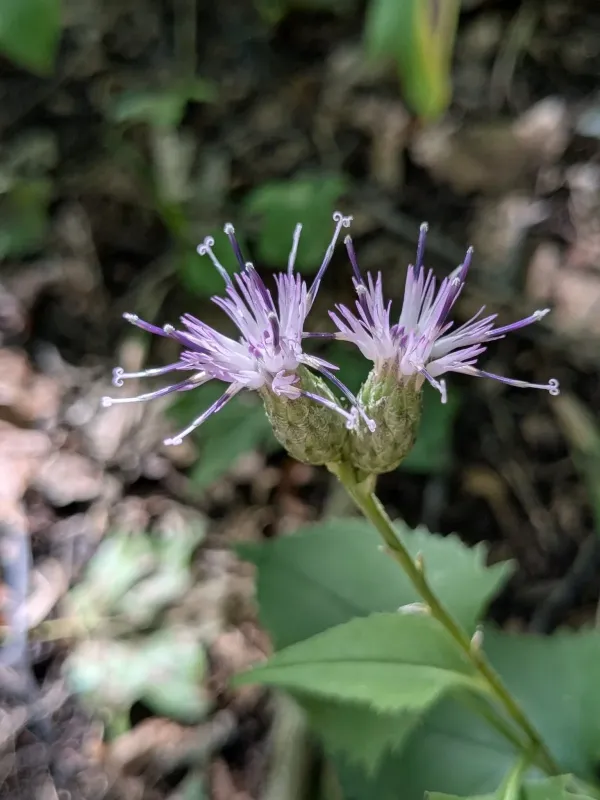
Description
Sowing dates
Large-leaved saussurea (Saussurea grandifolia) belongs to the Asteraceae family. This perennial herbaceous plant is typically sown in temperate climates during the spring, as soon as the soil warms up to 8-10 degrees Celsius.
To ensure uniform germination, it is recommended to stratify the seeds for 30-45 days in cool conditions, simulating natural winter dormancy. Planting is carried out in rows with a spacing of up to 50 centimeters to provide sufficient room for mature plants.
Seed depth should not exceed 1-2 centimeters, as the small seeds have limited energy reserves. Maintaining consistent substrate moisture is critical until the first true leaves appear.
In colder regions, starting plants in a nursery setting can shorten the growing season during the first year. Seedlings are transplanted into open ground when they are 60-70 days old and the risk of frost has passed.
An optimal planting density is 4-6 plants per square meter, which prevents excessive competition for light and nutrients among neighboring plants within the crop.
Growing requirements
The crop prefers fertile, well-drained loamy soils with a neutral or slightly acidic pH. A key requirement is avoiding stagnant groundwater, as the plant is highly sensitive to root waterlogging.
Large-leaved saussurea is a light-loving plant that requires open, well-illuminated plots. However, in southern regions, it can tolerate light afternoon shade, which helps maintain leaf aesthetics and raw material quality.
The temperature range for successful development varies from 18 to 25 degrees Celsius. The plant is highly frost-resistant and can overwinter in open soil without additional cover in central European climates.
Water requirements increase during the phase of intense stem growth and bud formation. During dry periods, regular irrigation is necessary, avoiding water contact with the leaf rosette to prevent fungal infections.
To maintain high productivity, the soil should be enriched annually with organic fertilizers or complex mineral blends. Nitrogen fertilization at the beginning of the growing season and potassium-phosphorus blends before flowering are particularly important.
Yield
Economic utilization of large-leaved saussurea focuses on harvesting leaf biomass and roots, which possess valuable chemical properties. Yields of green mass under intensive agronomy reach 2-3 kilograms per square meter annually.
Medicinal raw material is harvested during the active flowering phase when the concentration of biologically active substances peaks. The aerial part is cut with a sharp tool at a height of 10-15 centimeters from the ground.
Rhizomes are harvested in the autumn, during the second or third year of the plant's life, as the aerial parts begin to wither. Cleaned roots are rinsed with cold running water and dried in specialized ventilated facilities.
The drying process requires strict temperature control (no higher than 45 degrees) to preserve essential oils and flavonoids. Properly dried raw material has a characteristic aroma and a long shelf life.
The economic efficiency of cultivating this crop depends directly on strict adherence to harvest timelines and the quality of post-harvest processing. Seed material serves as a byproduct and can be collected for self-propagation needs.
Main diseases and pests
The main threats to the crop are fungal diseases such as powdery mildew and various types of crown rot. These thrive in conditions of excessive humidity and poor soil aeration in dense stands.
To prevent the spread of infections, it is necessary to practice crop rotation and avoid planting saussurea where other members of the Asteraceae family were previously grown. Sanitary removal of weeds and diseased plants is mandatory.
Pests like aphids and spider mites can cause significant damage during dry spells. If insect colonies are detected, environmentally friendly insecticides or biological pest control methods should be employed.
Slugs and snails pose a danger to young seedlings by feeding on tender leaves at night. Installing mechanical barriers or mulching the soil with gravel helps significantly reduce the population of these pests.
Constant monitoring of plant health allows for the identification of threats at an early stage, minimizing yield loss without the need for aggressive chemicals. Healthy planting material is the foundation of crop resilience against environmental stress.