
Saussurea gracilis
Saussurea gracilis
Description
Growing requirements
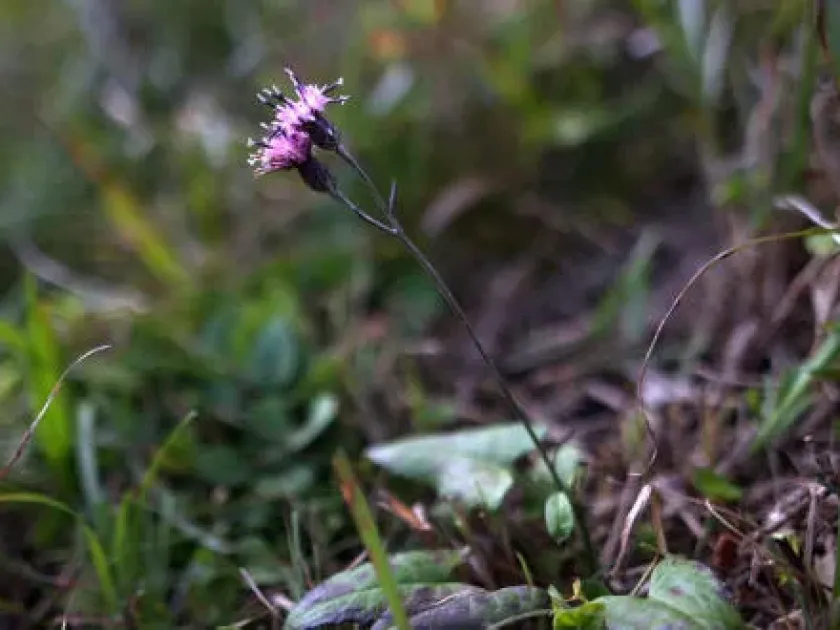
Saussurea gracilis belongs to the Asteraceae family and is a perennial herbaceous plant recognized for its elegant growth habit and characteristic purple flower heads. It is a scientifically significant species within the diverse Saussurea genus, known for its adaptability to specific temperate environmental niches.
The origin and natural distribution of this plant are primarily located in East Asia, encompassing regions such as Japan, Korea, and parts of the Russian Far East. These areas are characterized by temperate climates with distinct seasons, to which the plant has developed robust physiological survival strategies.
In an agricultural setting, the plant requires well-drained, fertile soil with a neutral to slightly acidic pH to thrive. It performs best in areas that mimic its natural habitat, which typically includes meadows or forest borders, necessitating a balance of direct sunlight and occasional moisture retention.
Cultivation practices should focus on maintaining adequate soil fertility through the application of organic matter and ensuring proper spacing between plants to facilitate air circulation. While the plant is drought-tolerant once established, supplemental irrigation during the peak growing season is crucial for optimal flowering.
Regarding its economic utility, Saussurea gracilis is primarily valued in botanical collections and ornamental horticulture due to its aesthetic appeal. Furthermore, ongoing research into the genus suggests potential applications in herbal medicine, as many members of the family are rich in secondary metabolites.
Main diseases and pests
Common plant health issues include fungal pathogens such as powdery mildew, which can significantly damage leaf tissues if humidity levels remain excessively high. Good horticultural hygiene, including the removal of dead foliage, is essential to minimize the risk of infection.
Pest threats primarily involve sap-sucking insects like aphids and spider mites, which can stunt plant growth if left uncontrolled. An integrated pest management approach using mild soaps or biological predators is recommended to manage these threats without harming the plant's delicate floral architecture.