
Saussurea gnaphalodes
Saussurea gnaphalodes
Description
Growing requirements
Saussurea gnaphalodes is a perennial herb belonging to the Asteraceae family. It is natively found in the high-altitude regions of the Himalayas and the Tibetan Plateau, where it has evolved to thrive under extreme environmental pressures and low temperatures.
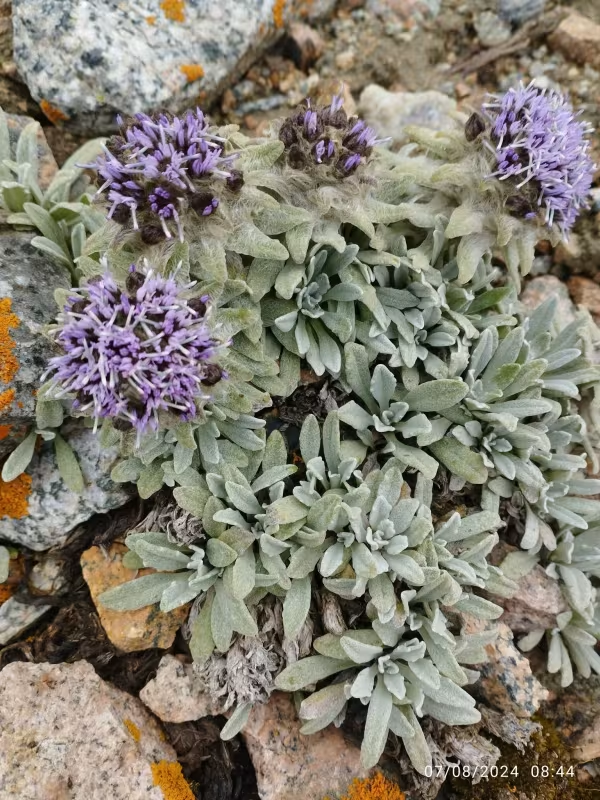
Botanically, the plant is characterized by a compact, cushion-like growth habit covered with dense, white to silvery woolly hairs. This indumentum serves as a protective layer, minimizing water loss through transpiration and protecting the plant from intense solar radiation.
The agronomic requirements for this species are strict. It demands well-drained, porous soils that mimic the rocky substrates of alpine zones. Soil aeration is critical, as the roots are highly susceptible to rot when exposed to poor drainage or stagnant water conditions.
In terms of climate, Saussurea gnaphalodes requires significant light exposure and a high diurnal temperature variance. It is extremely challenging to cultivate in lowland environments, where excessive heat and atmospheric humidity prevent the synthesis of its unique pharmacological compounds.
The plant has long been valued in traditional medicine for its anti-inflammatory and antiseptic properties. It is often harvested for its secondary metabolites, including specific flavonoids and essential oils which are synthesized primarily as a response to harsh environmental conditions.
Main diseases and pests
The most significant pathological threat to this culture is fungal root rot, which typically occurs in greenhouse or garden settings if the substrate moisture levels are not strictly managed. Maintaining low humidity around the base of the plant is essential.
Pest pressure is relatively low due to the plant's natural habitat, but it can be susceptible to mites and aphids in controlled cultivation. Monitoring plant health and ensuring proper air circulation helps to prevent infestations and promotes vigorous growth.