
Saussurea glomerata
Saussurea glomerata
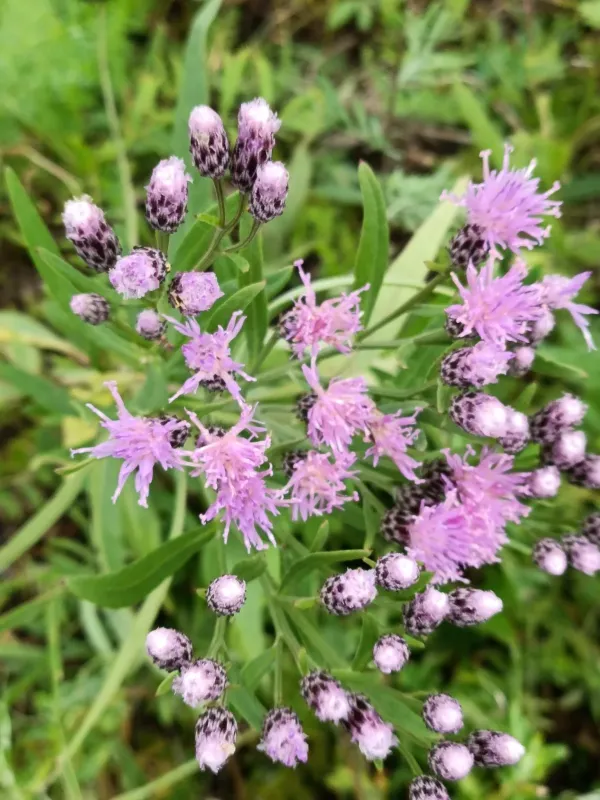
Description
Sowing dates
Sowing should be performed in late autumn or early spring. Autumn sowing is often preferred as it mimics natural conditions, promoting better germination rates after winter dormancy.
Seed depth should be kept shallow, generally around 1–2 cm, to ensure the seeds have sufficient contact with moisture without being buried too deep for emerging seedlings.
Row spacing is typically set at 40–50 cm to facilitate the use of machinery for cultivation and soil aeration between the plant rows.
During the early growth phase, it is vital to protect the seedlings from competitive pressure, as the initial development of Saussurea glomerata can be relatively slow.
Choosing high-quality seeds with high vitality is a critical step in the agrotechnical process to ensure uniform plant density and high stand consistency.
Growing requirements
Saussurea glomerata is a herbaceous perennial belonging to the Asteraceae family. It is native to the steppe zones of Eurasia, showing significant adaptation to open, airy landscapes.
For successful cultivation, the plant requires well-drained, nutrient-rich soils with a neutral pH level. It does not tolerate waterlogged areas, which can lead to rapid root decay.
Being a heliophilous species, it demands full exposure to sunlight. A location with sufficient light is crucial for maximizing the accumulation of secondary metabolites within the plant tissues.
The crop is relatively tolerant to moderate temperature fluctuations, making it suitable for regions with pronounced continental climates where seasonal shifts are common.
Proper soil management, including regular weeding and maintenance of soil structure, is essential for maintaining plant health and high productivity levels throughout the growing season.
Harvesting
Harvesting takes place during the mass flowering period. This stage is chosen specifically because the phytochemical concentration reaches its peak, ensuring maximum market value for the raw material.
The aerial parts are harvested by mechanical cutting, ensuring that the base of the plant remains intact to allow for potential regrowth if the climate allows for multiple cuttings.
Post-harvest management involves immediate transport to a clean, dry area. The plant material should not be left in piles to prevent fermentation, which significantly lowers the product quality.
Drying is performed in shaded areas or mechanical dryers at temperatures not exceeding 45°C. Rapid drying preserves the chemical integrity and the aesthetic appearance of the herb.
Proper storage is essential; the dried product must be kept in sealed, moisture-proof containers in a cool environment to maintain quality for pharmaceutical processing.