
Ceanothus impressus
Ceanothus impressus Trel.
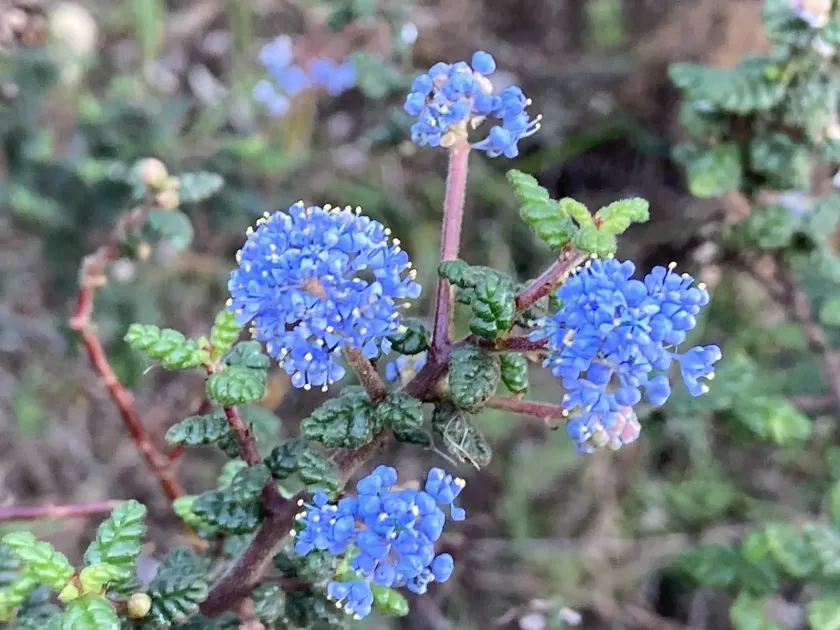
Description
Growing requirements
Ceanothus impressus, commonly known as the Santa Barbara ceanothus, is a vigorous evergreen shrub belonging to the Rhamnaceae family. Native to the coastal ranges of California, it thrives in environments that replicate its natural mild, coastal habitat.
The plant requires well-drained, slightly acidic to neutral soil to flourish. Heavy, clay-based soils should be amended with organic matter or grit to ensure that water does not pool around the roots, as the species is highly susceptible to root rot.
Full sun is essential for the healthy development of this species. While it tolerates partial shade in extremely hot climates, consistent exposure to direct sunlight is necessary to encourage its characteristic dense growth and profuse spring flowering.
In terms of irrigation, mature Ceanothus plants are notably drought-tolerant. During the establishment phase, however, regular watering is crucial to support deep root formation. Avoid summer watering once established to prevent soil pathogens.
This shrub is primarily cultivated for its ornamental value in Mediterranean-style landscaping. Its deep blue, fragrant blossoms make it a focal point in gardens and an excellent plant for supporting local pollinator populations.
Main diseases and pests
Root rot, particularly caused by Phytophthora species, is the most significant threat to Ceanothus impressus. It usually occurs in over-irrigated or poorly draining soils, leading to rapid decline and plant death.
Insects such as scale, aphids, and mealybugs can infest the foliage, particularly on new growth. Using horticultural oils or systemic insecticides during the early stages of an infestation is effective for management.
Powdery mildew can manifest during periods of high humidity and poor ventilation. Keeping the canopy open through careful pruning helps maintain airflow and reduces the risk of fungal spread.
Iron chlorosis is a common physiological disorder, often triggered by alkaline soils. Applying chelated iron can correct leaf yellowing, though selecting the right soil pH initially is the best preventative measure.
Annual maintenance, including the removal of dead or crossing branches, is vital to plant health. Proper sanitation ensures that the shrub remains vigorous and better able to resist natural pests and environmental stresses.