
Pale ceanothus
Ceanothus x pallidus Lindl.
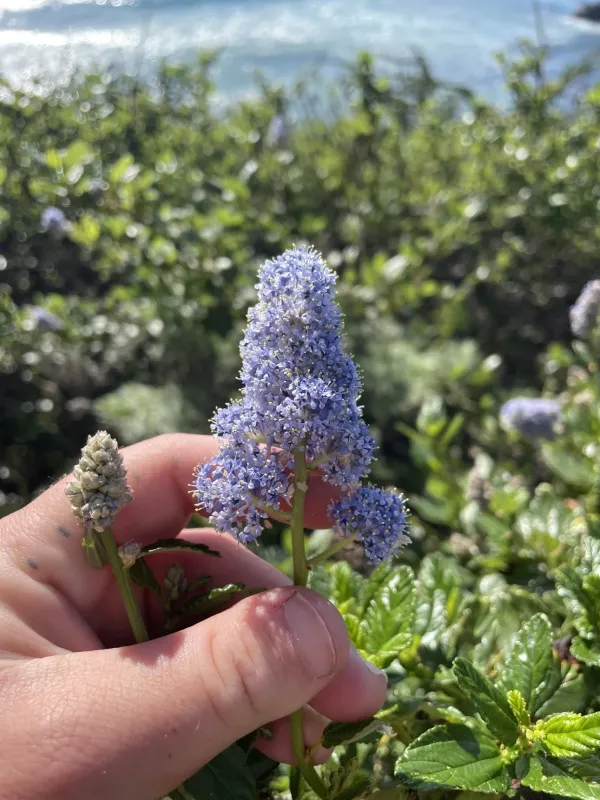
Description
Growing requirements
Pale ceanothus (Ceanothus x pallidus) is an ornamental deciduous shrub belonging to the Rhamnaceae family. This hybrid plant is highly valued for its striking, abundant flowering habit during the summer months, making it a popular choice for landscape design.
The culture thrives in sunny positions sheltered from strong winds, which are essential for its overall health. Due to its limited cold hardiness in certain regions, providing winter protection is necessary to ensure the survival of the shrub in colder climates.
The soil requirements focus on excellent drainage and a light, sandy loam structure. Waterlogged conditions are detrimental to the plant, often causing root rot and leading to rapid decline, which necessitates careful site selection and the preparation of adequate drainage layers.
General maintenance involves moderate watering during dry spells and the application of balanced fertilizers in early spring. These practices encourage vigorous growth and ensure the plant has enough energy to produce its characteristic flower clusters throughout the season.
Pruning is a critical aspect of the plant's life cycle and should be performed immediately after the flowering period ends. Regular pruning helps maintain a desirable shape, prevents the structure from becoming too woody or sparse, and promotes the development of future buds.
Main diseases and pests
The primary threats to pale ceanothus are fungal diseases associated with poor soil drainage and stagnant moisture. Root rot remains the most common issue, often caused by overwatering or soil types that retain too much water, requiring immediate attention to avoid plant loss.
Pests that frequently infest this shrub include aphids, scale insects, and spider mites. These organisms feed on the nutrient-rich sap of young leaves and shoots, which can significantly weaken the shrub and reduce its decorative quality if left unmanaged.
Fungicide treatments are recommended when signs of decay or fungal spotting appear on the foliage. Maintaining proper airflow by pruning out crowded branches is also an effective cultural method to reduce the incidence of various plant infections.
Integrated pest management strategies should be employed to control aphids and mites, using horticultural soaps or systemic insecticides when necessary. Monitoring the undersides of leaves and branch junctions early in the season is vital for catching infestations at their onset.
Overall, keeping the shrub in a healthy, vigorous state through proper site preparation and consistent moisture control is the best defense against both diseases and pests. A well-tended plant is significantly more resilient to environmental stressors and biological threats.