
Ceanothus americanus
Ceanothus americanus L.
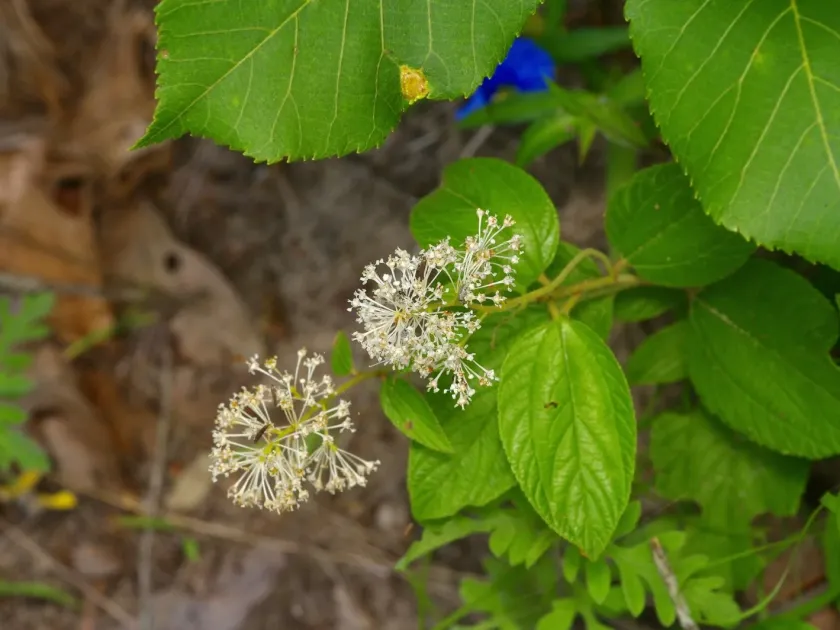
Description
Sowing dates
Seeding of Ceanothus americanus is typically performed during autumn to allow for natural cold stratification, which is essential for germination.
The seeds have a very hard seed coat, so scarification using mild abrasion or warm water soaking is recommended before planting in the spring.
Sowing depth should be kept shallow, approximately 0.5 to 1 centimeter, using a light, well-draining substrate to ensure proper seed-to-soil contact.
For large-scale cultivation, seeds are sown in prepared beds with adequate spacing to minimize competition between emerging seedlings.
Seedlings should be kept in a moist environment until they are firmly established, after which they develop a resilient root system.
Growing requirements
Ceanothus americanus is a member of the Rhamnaceae family, originating from the eastern temperate regions of North America.
The plant thrives in sunny locations with dry, sandy, or gravelly soils, demonstrating a high tolerance for nutrient-poor substrates.
A key agronomic feature is its nitrogen-fixing ability, which allows it to thrive in infertile conditions without the need for intensive fertilization.
It requires excellent drainage as it is highly susceptible to root rot if subjected to waterlogged soil for extended periods.
The species is hardy and adapted to a range of temperate climates, although it performs best in full sun with protection from strong, chilling winds.
Yield
Commercial utilization focuses on the leaves and roots, which have been historically used for their medicinal and tea-producing properties.
Yield levels are determined by the density of the shrub population and the frequency of pruning, which stimulates fresh, vegetative growth.
The biomass production typically peaks after the plants have reached maturity, usually within the third or fourth year of cultivation.
Strategic management of site conditions, particularly soil pH and sun exposure, can significantly influence the overall chemical composition of the yield.
Sustainable harvesting methods ensure that a sufficient portion of the canopy is left intact to allow the plant to continue its nitrogen-fixing activity.
Main diseases and pests
The most common threat to the culture is fungal infection, particularly leaf spot and root rot, often exacerbated by high humidity and poor air circulation.
Powdery mildew can become a significant issue in crowded plantings, leading to reduced photosynthesis and overall vigor of the shrubs.
Aphids and spider mites are the primary insect pests that target the foliage, necessitating vigilant monitoring during the peak growing season.
Invasive weed species can outcompete young Ceanothus plants, making early-stage weed management crucial for a successful establishment.
- Regular thinning for better airflow
- Monitoring for sap-sucking pests
- Maintaining well-draining soil structures
- Application of organic fungicides if necessary
Harvesting
Leaf harvesting is best conducted during the flowering stage, when the chemical potency of the foliage is known to be at its peak.
The material should be harvested during dry weather to prevent moisture-related spoilage during the initial storage phase.
Roots are typically harvested in the autumn when the plant enters dormancy, ensuring that the stored energy reserves are highest in the root tissues.
Proper drying is critical; the harvested materials should be processed in well-ventilated dryers to maintain the desired volatile oil content.
Final processing involves cleaning and packaging the material in moisture-proof containers to preserve the quality and efficacy of the harvest.