
Carmel ceanothus
Ceanothus griseus (Trel.) McMinn
Description
Growing requirements
Carmel ceanothus (Ceanothus griseus) is an evergreen shrub species belonging to the Rhamnaceae family. It is native to the coastal regions of California, where it has evolved to thrive in mild Mediterranean-like conditions near the ocean.
Regarding site requirements, this plant demands full sun exposure to maintain its dense growth form and promote heavy flowering. It is sensitive to extreme frosts and requires a location sheltered from harsh, drying winds during the winter months.
The soil must be exceptionally well-drained, as the species is highly susceptible to root rot in saturated conditions. Sandy or loamy soils with a slightly acidic to neutral pH are ideal for ensuring optimal nutrient uptake and root development.
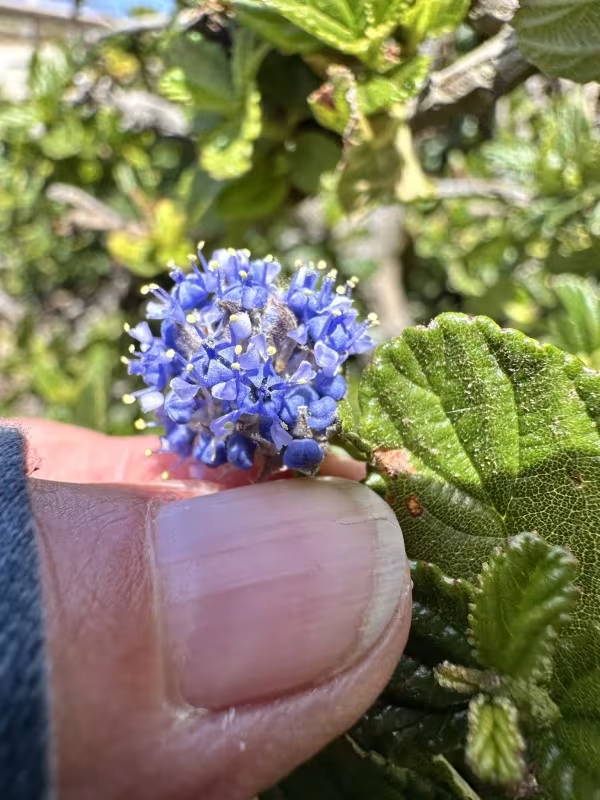
Botanically, it is characterized by its glossy, oval-shaped leaves and spectacular clusters of small, deep blue to violet flowers. These blooms are a significant source of nectar, making the shrub highly attractive to local pollinators and beneficial insects.
In terms of agricultural and horticultural use, this shrub is primarily utilized for landscape design, erosion control on coastal slopes, and as a foundation plant. Its drought tolerance once established makes it a sustainable choice for xeriscaping.
Main diseases and pests
The primary pathological threat to the Carmel ceanothus is fungal root rot, predominantly caused by Phytophthora species. This condition is almost exclusively the result of poor drainage or overwatering, often leading to rapid decline.
Pest pressure usually involves sucking insects like aphids or scale insects. While these pests rarely kill a healthy, mature plant, they can cause stunted growth, leaf deformation, and the development of sooty mold on the foliage.
Effective management begins with proper cultural practices, specifically strict irrigation control. Ensuring that the soil dries out sufficiently between watering cycles is the most effective preventative measure against fungal pathogens.
Regular maintenance pruning is necessary to ensure adequate airflow throughout the plant canopy. This practice reduces humidity within the foliage, which is a critical factor in preventing the establishment of various fungal and bacterial infections.
If an infestation or infection is detected, prompt action is required. This may include isolating the affected parts, applying targeted biological or chemical controls, and adjusting environmental factors to restore the plant's natural vigor.