
Sage-leaved rock-rose
Cistus salviifolius L.
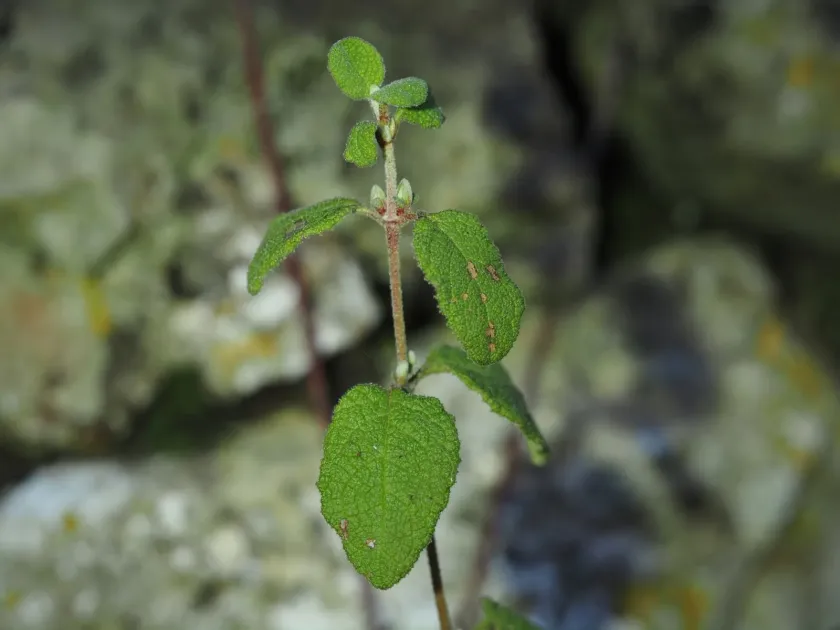
Description
Sowing dates
The sage-leaved rock-rose, or Cistus salviifolius, is a member of the Cistaceae family. This evergreen shrub is highly valued for its aromatic properties and resilience in harsh environments.
Propagation is typically achieved through seeds, which require stratification to break dormancy. Sowing in prepared seedling trays under controlled greenhouse conditions yields the best results.
Cuttings are another viable method for commercial growers. Semi-hardwood cuttings taken in mid-summer are treated with rooting hormones and placed in a sand-based medium.
Seedlings should be kept in well-lit, airy conditions. Overcrowding in seed trays must be avoided to prevent damping-off diseases common to this species.
Transplanting to the field should occur once the risk of frost has passed, ensuring that the root ball is not disturbed to prevent transplant shock.
Growing requirements
Cistus salviifolius thrives in dry, rocky, or sandy soils. Proper drainage is the most critical factor for successful cultivation, as the roots are sensitive to waterlogging.
The plant is exceptionally drought-tolerant once established. It is an ideal candidate for low-maintenance landscapes and xeriscaping projects in Mediterranean climates.
Sunlight is essential; the shrubs require full sun exposure to maintain their compact growth habit and maximize the production of phytochemicals.
The soil should have a slightly acidic to neutral pH. Avoid alkaline soils, as they can cause chlorosis and stunt the plant's overall growth potential.
While the plant is hardy, it requires protection from severe frost. In colder agricultural zones, planting against a south-facing wall can provide the necessary microclimate.
Main diseases and pests
Root rot caused by Phytophthora species is the primary agricultural challenge. This disease is almost always linked to poor soil drainage or excessive irrigation.
Pests such as aphids and spider mites can occasionally affect the foliage, particularly when the plants are stressed by extreme heat or drought.
To maintain plant health, avoid overhead irrigation. Drip systems are preferred to ensure that the foliage remains dry, which helps prevent fungal infections.
Sanitation is key; pruning away dead or diseased wood annually helps to improve air circulation within the shrub's canopy.
Monitoring the plant for signs of nutrient deficiency, such as yellowing leaves, is recommended, although fertilizing should be done sparingly to avoid weak, succulent growth.