
Small-flowered rockrose
Cistus parviflorus Lam.
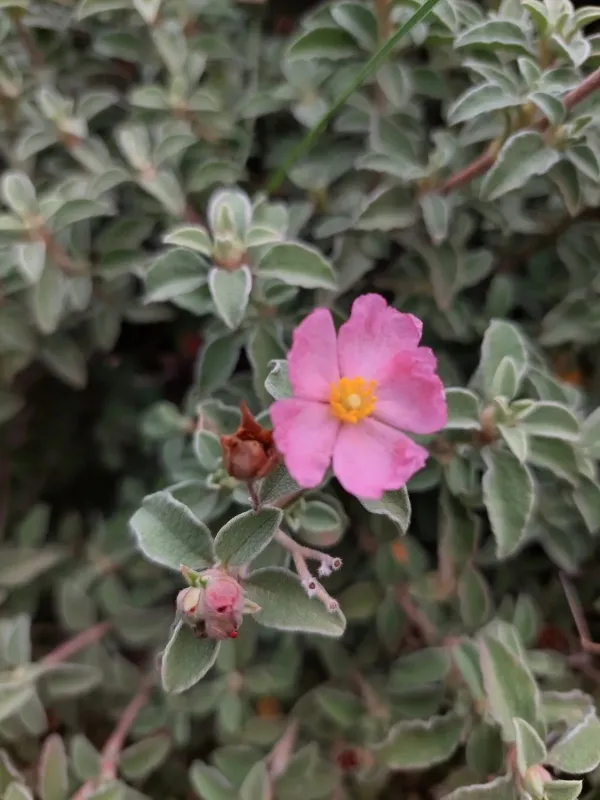
Description
Sowing dates
The sowing of small-flowered rockrose is typically performed in early spring, using well-drained substrate to facilitate seed germination in warm conditions.
Due to the physical dormancy of the seeds, pre-sowing treatments such as scarification or cold stratification are highly recommended to ensure uniform seedling emergence.
In commercial nurseries, seeds are sown in shallow trays and covered with a thin layer of fine sand, maintaining constant temperature above 15 degrees Celsius.
Seedlings develop slowly, and it is crucial to protect them from high moisture levels during the early stages of growth to prevent damping-off diseases.
Transplanting into the field is carried out only when the plants are sufficiently robust and external temperatures are consistently high to avoid cold-related stress.
Growing requirements
Cistus parviflorus is a member of the Cistaceae family, native to the Mediterranean region, known for its extreme resilience to harsh, arid environments.
The crop requires full sun exposure to thrive, as it naturally inhabits open shrublands and rocky hillsides with very poor, skeletal soil compositions.
Drainage is the single most important factor in the success of this crop; it must be grown in soil that allows for rapid water infiltration to avoid root decay.
This species is highly drought-tolerant and performs best in nutrient-poor soils, where it can develop its natural aromatic oil content without excessive vegetative growth.
While the plant can handle some frost, long-term exposure to sub-zero temperatures requires protective measures or cultivation in pots that can be moved indoors.
Yield
The yield of Cistus parviflorus is primarily focused on the harvest of leaves and young stems, which are rich in aromatic essential oils and polyphenols.
Economic production involves regular light pruning after the flowering season to encourage the growth of new, oil-rich foliage for subsequent harvesting cycles.
The annual productivity depends on the maturity of the shrubs, with optimal essential oil yields typically achieved after the second or third year of cultivation.
Standard yield rates per hectare vary significantly based on plant density and irrigation management, though it remains a low-input, extensive agricultural crop.
Harvesting timing is critical, as the highest concentration of bioactive compounds is typically reached during the full flowering period of the species.
Main diseases and pests
Root rot caused by Phytophthora species is the most common threat to commercial plantations, exacerbated by poor soil aeration and waterlogged conditions.
Powdery mildew may occur in damp, stagnant air environments, necessitating improvements in spacing and greenhouse ventilation to maintain healthy foliage.
Insects like aphids and spider mites can attack the plants during particularly hot and dry weather cycles, which require consistent monitoring and biological control.
Over-fertilization represents a major agronomic risk, as high nitrogen levels weaken the plant's natural defenses and make it prone to various opportunistic pests.
Integrated pest management, combined with strict water management, provides the best defense against major crop failure in rockrose cultivation.