
Hybrid rockrose
Cistus x hybridus Pourr.
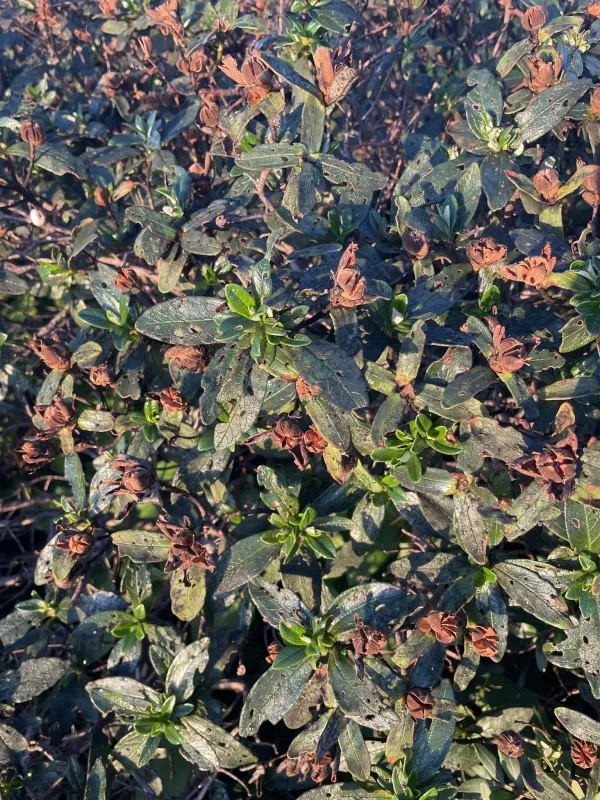
Description
Growing requirements
Hybrid rockrose (Cistus x hybridus) is a robust evergreen shrub belonging to the Cistaceae family. It is a highly popular garden plant, celebrated for its tolerance to heat and drought, making it an excellent choice for Mediterranean-style landscape designs.
The plant thrives in full sun exposure. It requires at least six to eight hours of direct sunlight daily to maintain its dense habit and produce abundant flowers. Lack of light leads to sparse foliage and weak, elongated stems that reduce its overall ornamental value.
Regarding soil preferences, this crop is notoriously unfussy but requires exceptional drainage. It flourishes in rocky, sandy, or nutrient-poor soils where heavier, moisture-retentive soils would cause its roots to suffocate and rot within a short period.
As a climate-hardy shrub in milder regions, the hybrid rockrose is ideal for dry gardens. While it can withstand occasional frost, it is not fully winter-hardy in severe climates and may require protection or cultivation in containers that can be moved indoors during deep winter freezes.
Agricultural maintenance is minimal once the plant is established. Pruning should be performed annually after the flowering season to shape the shrub, maintain its size, and promote the growth of fresh, flowering shoots for the following year.
Main diseases and pests
The most significant threat to the hybrid rockrose is waterlogged soil. Being highly adapted to dry environments, the plant is extremely susceptible to root rot pathogens if the substrate remains saturated for an extended duration, especially during cool and humid winter months.
Pest issues include occasional infestations of aphids and spider mites, particularly during periods of extreme heat or environmental stress. Regular monitoring is encouraged to identify these pests before they cause significant aesthetic or physical damage to the plant.
Powdery mildew can occur if the plant is grown in areas with poor airflow and high humidity. Ensuring proper spacing between plants is essential for allowing air circulation, which helps keep the foliage dry and healthy throughout the growing season.
Chemical control measures should be avoided whenever possible, focusing instead on integrated pest management practices. Proper selection of planting location significantly reduces the necessity for chemical intervention in the garden.
Finally, winter damage to branches can provide entry points for secondary infections. After severe winters, it is recommended to prune away damaged tissue back to healthy wood to prevent further spread of dieback-related pathogens.