
Cistus dansereaui
Cistus x dansereaui P. Silva
Description
Growing requirements
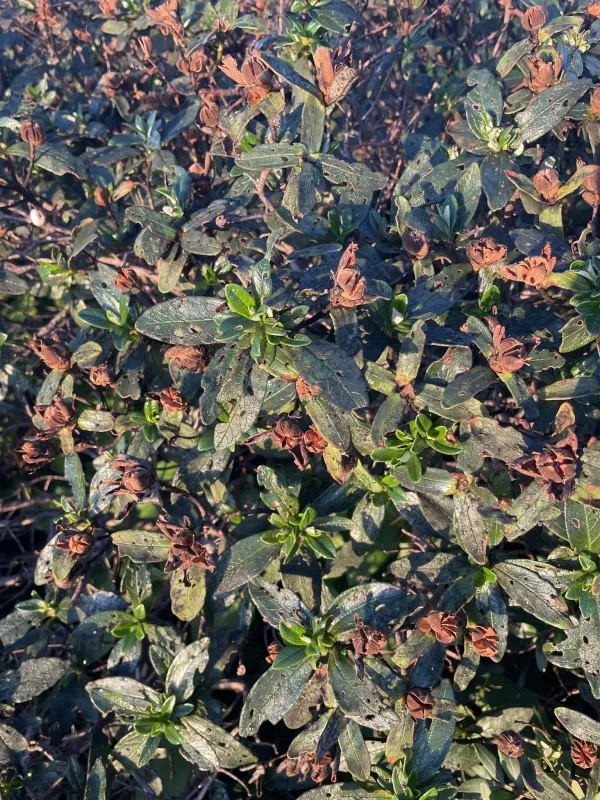
Cistus dansereaui is a member of the Cistaceae family, representing a natural hybrid known for its resilience and striking floral display. It is an evergreen shrub that inherits its parent species' hardiness to harsh environmental conditions.
This crop thrives in Mediterranean-type climates, characterized by warm, dry summers and mild winters. It is highly valued for its extreme drought tolerance once established, making it a sustainable choice for arid landscapes.
Soil requirements are quite specific: the crop necessitates well-draining, gritty, or sandy soils. It struggles significantly in heavy clay or waterlogged areas, where root rot becomes a major limiting factor for growth.
Agricultural management requires full sun exposure. The plant performs best in open locations where it receives at least six hours of direct sunlight daily to ensure dense growth and abundant flowering.
In terms of usage, Cistus dansereaui is primarily cultivated for ornamental purposes, acting as a ground cover or a feature shrub in xeriscaping projects, and is valued for the resinous aroma of its foliage.
Main diseases and pests
The most significant threat to Cistus dansereaui is fungal infection caused by root rot pathogens. This typically occurs in poorly drained soils or due to excessive overhead irrigation during dormant periods.
Pests are generally not a major concern, but aphids can occasionally infest new growth during the spring, leading to stunted leaf development and general stress to the plant.
Spider mites represent another risk during hot and dry spells. These pests can rapidly deplete plant vigor by feeding on cell contents, eventually causing foliage to yellow and drop prematurely.
Effective management includes proper site selection to avoid water accumulation and implementing pruning practices that allow for maximum air circulation through the canopy.
Chemical intervention should be kept to a minimum. When necessary, biological control or selective insecticides should be applied during early infestation stages to preserve the plant's health and the ecological balance of the garden.