
Wallaby grass
Rytidosperma tenue
Description
Growing requirements
Wallaby grass (Rytidosperma tenue) is a perennial grass species belonging to the Poaceae family. It is a vital component of native grasslands in Australia, known for its resilience and ability to thrive in diverse ecological niches.
The species prefers well-drained, fertile to moderately fertile soils. It displays remarkable drought tolerance, making it an excellent choice for stabilizing soils in arid and semi-arid regions where other forage crops might struggle.
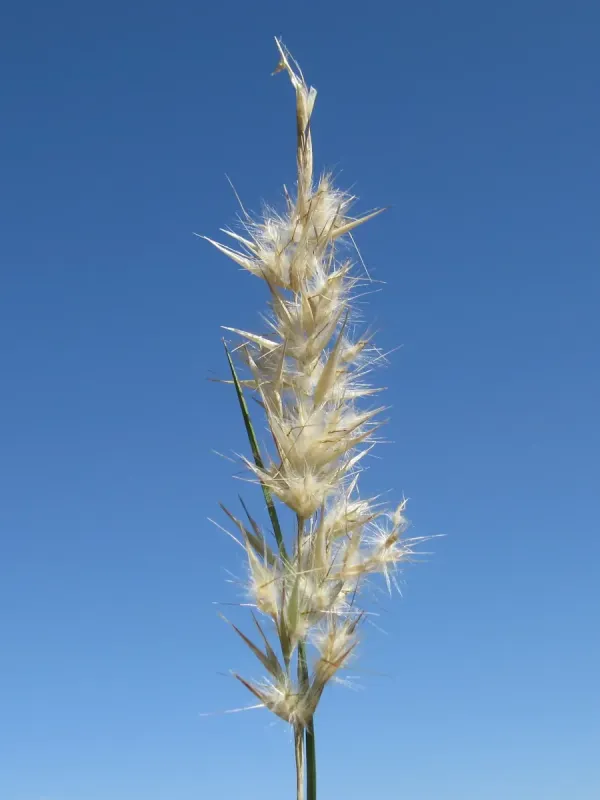
Botanically, it is characterized by its tufted growth habit, which protects the soil surface from erosion. Its leaves are thin and wiry, adapted to minimize water loss, while the inflorescence is a typical narrow panicle.
Climate-wise, it favors sunny and open environments. While it can handle dry spells, optimal growth is achieved with moderate precipitation during the active vegetative growth phase in spring and autumn.
The primary use of Wallaby grass is in pastoral agriculture. It is valued for its nutritional quality and high palatability for livestock, providing consistent grazing resources throughout the year in many grazing systems.
Main diseases and pests
Common health issues for this grass include fungal rusts, which can develop during periods of prolonged dampness and high humidity, affecting the photosynthetic capacity of the foliage.
Pests such as caterpillars and various root-feeding larvae can cause damage to the tufts. Monitoring the plant density and vigour is essential to detect early signs of infestation and prevent widespread damage.
Implementing a proper grazing management plan is the best defense against threats. Controlled grazing prevents the accumulation of excessive dead material, which otherwise provides shelter for pests and pathogens.
In addition to biological control methods, maintaining soil nutrient balance ensures that the grass remains healthy and capable of resisting typical field diseases and environmental stressors.
Overall, the robustness of this grass reduces the need for frequent pesticide applications, supporting sustainable land management practices and preserving the biodiversity of grazing lands.