
Rytidosperma penicillatum
Rytidosperma penicillatum
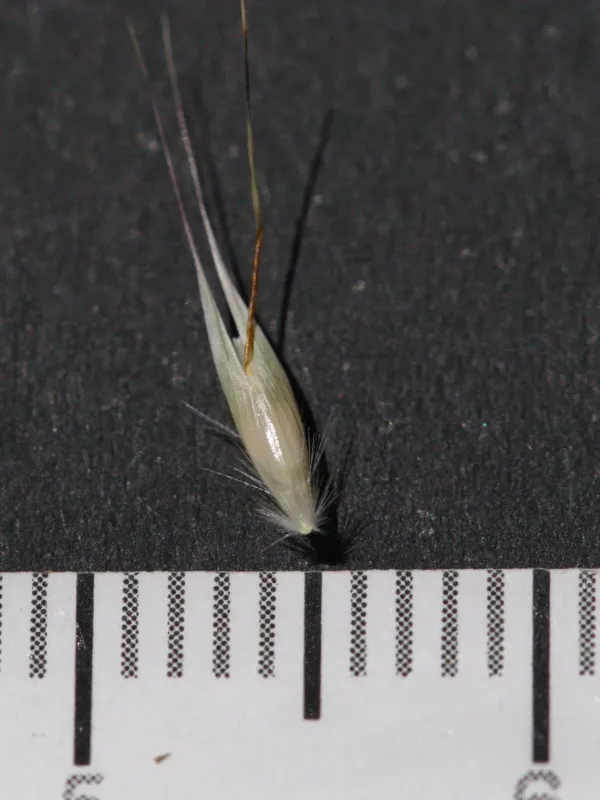
Description
Growing requirements
Rytidosperma penicillatum is a perennial grass species belonging to the Poaceae family. Native to Australia, this plant is recognized for its significant resilience and role in sustainable grassland ecosystems.
The plant thrives in well-drained soil types, ranging from sandy to loamy textures. It shows remarkable adaptation to drought, making it an excellent candidate for regions experiencing irregular rainfall patterns.
As a warm-season perennial, it requires full sunlight to maintain optimal growth rates. Its root system is deep and efficient, allowing the plant to survive in poor soil conditions where other forage species might fail.
The botanical structure is characterized by tufted growth habits with thin leaves, which provides effective ground cover. This physical structure helps in soil conservation by preventing topsoil erosion in pastoral areas.
In agricultural practice, this species is mainly utilized as a reliable pasture component for livestock. It provides consistent forage throughout the season and demonstrates high tolerance to grazing pressure.
Main diseases and pests
Fungal diseases, specifically leaf rusts, represent a major threat when humidity levels are elevated for extended periods. These infections can significantly reduce the biomass quality and plant vigor.
Insect pests, such as grasshoppers and subterranean larvae, can severely impact plant development. Regular monitoring is necessary to prevent widespread damage during the peak growing season.
Weed competition is a significant concern during the establishment phase. It is essential to manage the field properly to ensure that the seedlings are not overshadowed by fast-growing weeds.
Overgrazing poses a substantial risk to the long-term survival of the stand. It is crucial to implement rotational grazing systems to allow the plants sufficient recovery time between grazing intervals.
Integrated pest management strategies focusing on cultural control and maintaining soil health are the most effective ways to mitigate threats. Avoiding soil compaction also supports overall plant immunity against various stressors.