
Rytidosperma racemosum
Rytidosperma racemosum
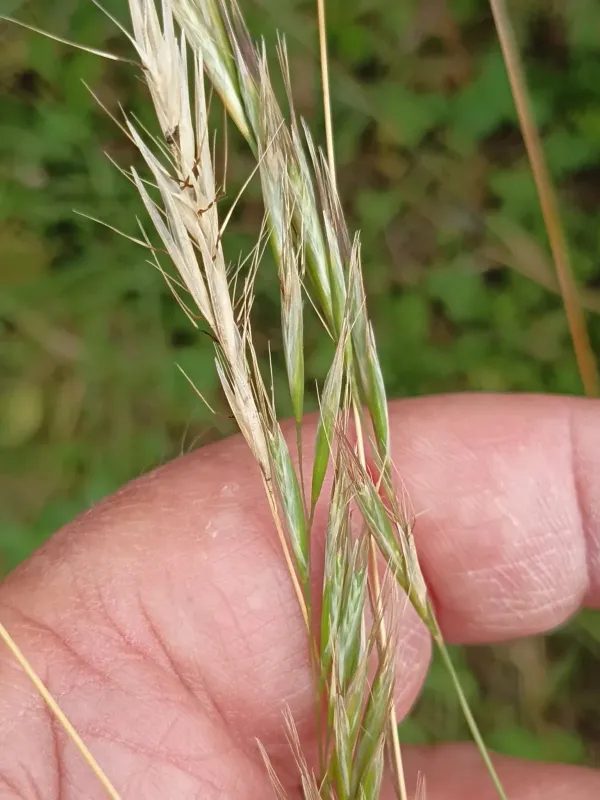
Description
Sowing dates
Rytidosperma racemosum, commonly known as a type of wallaby grass, is a perennial member of the Poaceae family. The primary sowing time typically occurs in autumn, which provides the necessary moisture for seed germination.
Seeds should be sown at a shallow depth of approximately 0.5 to 1 cm. Soil contact is critical for success, requiring rolling after sowing to ensure the seed is properly embedded in the soil matrix.
Seeding rates are adjusted based on the intended density of the sward, usually ranging from 5 to 10 kg per hectare. Proper calibration of seed drills is essential to achieve uniform distribution across the field.
Early-stage growth is characterized by a slow rate of development, requiring careful management to reduce competition from aggressive weeds that could smother the developing grass.
In regions with variable rainfall, ensuring the soil profile is pre-moistened before planting significantly improves establishment success rates for this species.
Growing requirements
The plant is highly valued for its exceptional adaptation to a wide range of soil types, including poor, acidic, and sandy substrates where nutrient availability is limited.
It displays remarkable drought tolerance, which is a key agronomic trait that allows the grass to maintain green biomass even during periods of extended moisture deficit.
Full sun exposure is a requirement for optimal development. Shaded conditions or competition from canopy cover often result in reduced biomass production and weakened root systems.
Nutrient requirements are relatively low, reflecting the plant's evolutionary background in nutrient-deficient ecosystems. Excessive fertilization is generally unnecessary and can favor competitive weed growth instead.
Temperature tolerance is broad, encompassing moderate to high ranges typical of its natural distribution. It remains resilient under various climatic fluctuations, maintaining its structural integrity.
Main diseases and pests
Primary threats to the health of this grass include soil-borne pathogens associated with waterlogging. Poor drainage increases the susceptibility to root rot, which can significantly damage the stand.
Pests such as certain soil-dwelling larvae can negatively impact the roots, while insects feeding on the foliage can cause damage during outbreaks of high population density.
Management of the stand through controlled grazing is the best prevention against disease. Overgrazing can stress the plant, making it more vulnerable to secondary infections and weed invasion.
Invasive weed encroachment is perhaps the most significant threat to establishing a uniform crop. Strategic use of selective mowing or biological control can help manage weed pressure.
Regular field scouting allows for the early detection of stress markers, enabling farmers to make informed decisions regarding pasture rotation and maintenance schedules.
Harvesting
Harvesting for seed production requires careful timing to ensure maximum yield. Seeds are typically ready for collection when the panicles show signs of golden-brown maturity.
Seed heads are prone to shattering, so mechanical harvesting must be performed promptly to avoid substantial losses. Modern specialized equipment is used to minimize physical damage to the seeds.
Post-harvest management of the sward is essential to ensure long-term sustainability. Burning or intensive mowing after seed harvest can stimulate fresh growth and tiller development.
Storage of the harvested seed must take place in a cool, dry environment to maintain high germination rates for future planting seasons.
Regular maintenance of the stand after harvesting cycles ensures that the crop persists for many years, providing continuous forage for livestock grazing operations.