
Wallaby grass
Rytidosperma semiannulare
Description
Growing requirements
Wallaby grass (Rytidosperma semiannulare) is a perennial grass species belonging to the Poaceae family. Native primarily to Australia, this plant is highly valued for its resilience and ability to thrive in various environmental conditions across arid and semi-arid regions.
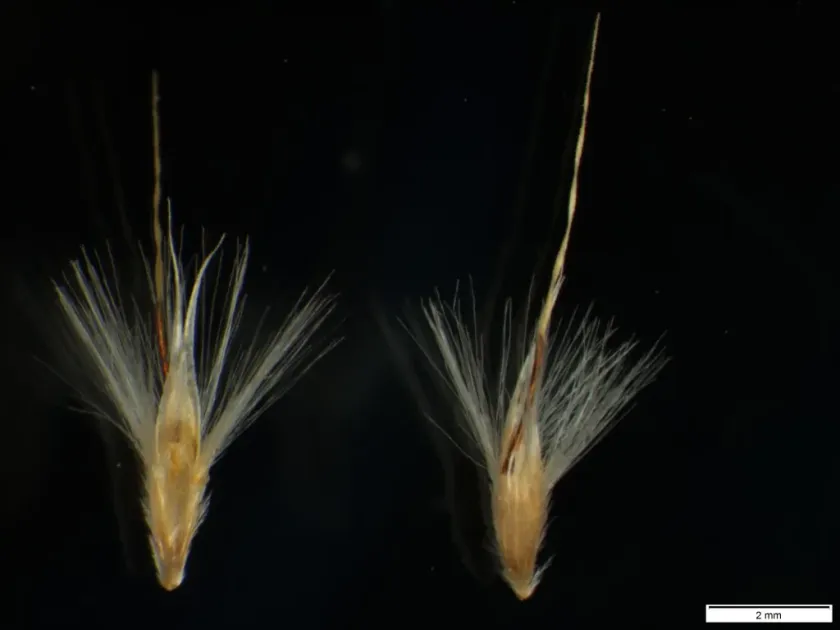
The botanical structure of this species includes narrow, leaf-blade features and a characteristic flowering head. It is a long-lived plant that can persist under varying grazing pressures, making it a reliable choice for sustainable land management and livestock support.
The crop thrives in temperate climates, requiring soils with good drainage to prevent root damage. While it is tolerant of low nutrient levels, it performs optimally when provided with sufficient moisture during the critical phases of its vegetative growth cycle.
Agricultural management for this species is relatively low-input, focusing on ensuring proper establishment and protecting young plants from competition. Regular monitoring of the pasture density is recommended to maintain optimal cover and productivity over many years.
Economically, Wallaby grass is utilized for forage production, soil erosion control, and the restoration of native grasslands. Its deep root system aids in soil stabilization, making it an essential species for maintaining ecological balance in rural landscapes.
Main diseases and pests
Common threats to this grass include fungal diseases that flourish in high humidity or stagnant air conditions. Rusts and other leaf-spotting pathogens can reduce the biomass, requiring proper management of the sward height to ensure adequate ventilation.
Pests such as insect larvae can pose a risk to the root and stem systems of the grass. Effective management includes scouting and identifying potential damage early in the season to mitigate any significant losses in pasture quality or vigor.
Competition from invasive plant species is a primary challenge, especially during the initial stages of establishment. Weed suppression is crucial, as uncontrolled growth can outcompete the young seedlings and reduce the overall density of the grass stand.
Environmental stressors like extreme weather events, including frost or extended heat waves, can impact the seed production cycle. Farmers should plan their grazing schedules to avoid putting undue stress on the plants during these critical periods.
Successful long-term cultivation requires balancing the usage of the grassland with the plant's capacity to regenerate. Avoidance of overgrazing is the most significant practice for preventing major disease outbreaks and ensuring the persistent health of the pasture.