
Bristly Wallaby Grass
Rytidosperma setaceum
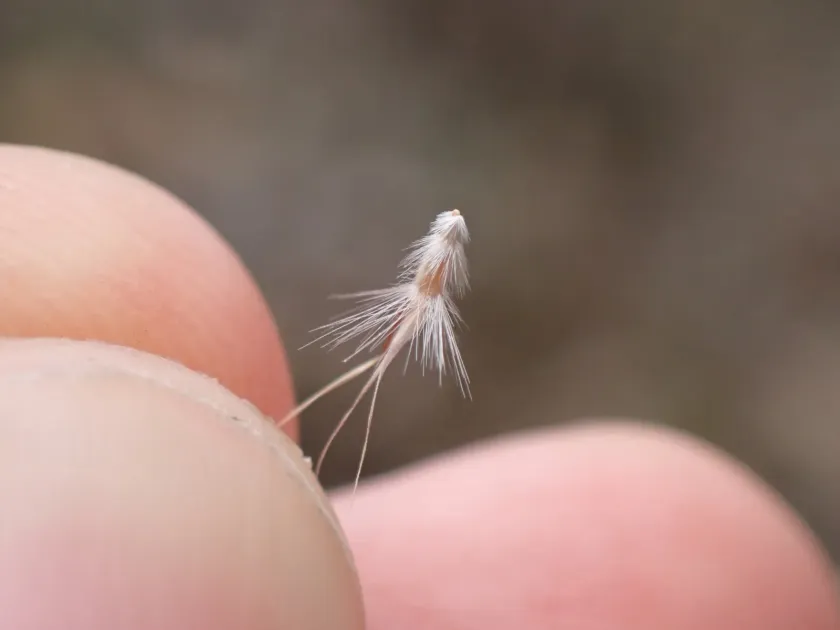
Description
Growing requirements
Bristly Wallaby Grass (Rytidosperma setaceum) is a perennial grass species within the Poaceae family. It is recognized for its significant ecological role and its ability to thrive in nutrient-poor environments, making it a staple in various native grassland ecosystems.
Originating from Australia, this species is highly adapted to arid and semi-arid conditions. Its morphological characteristics, including narrow, bristly leaves, are specifically evolved to minimize transpiration and survive prolonged dry spells that are common in its natural habitat.
The grass requires well-drained soil and thrives in various pH levels. It is particularly valued for its resilience against heavy grazing pressure, which allows it to maintain ground cover and structural integrity even under intensive agricultural management.
For cultivation, site selection is crucial. Providing sufficient sunlight and avoiding areas prone to waterlogging are the primary requirements for establishing a healthy stand. It responds well to moderate fertilization during the initial establishment period.
The primary agricultural use of Rytidosperma setaceum is as a native pasture grass. It provides sustainable forage for livestock and is also highly recommended for land restoration projects and erosion control in sensitive environmental areas.
Main diseases and pests
Common health issues include fungal leaf diseases such as rusts, which often appear during periods of high humidity or poor air circulation. Regular grazing or mowing acts as a natural control mechanism to improve airflow within the canopy.
Pests such as root-feeding larvae and grass-specific aphids can occasionally impact stand density. Management strategies typically involve monitoring population levels and maintaining the overall vigor of the grass stand to withstand potential outbreaks.